Sportswear is designed to support movement, provide comfort, and handle the demands of physical activity. Whether you wear athletic leggings, gym shirts, running jackets, or training pants, you expect the fabric to remain smooth and durable after repeated use. However, many people notice small, rough balls of fiber appearing on their clothing after several washes or workouts. This common problem is known as fabric pilling.
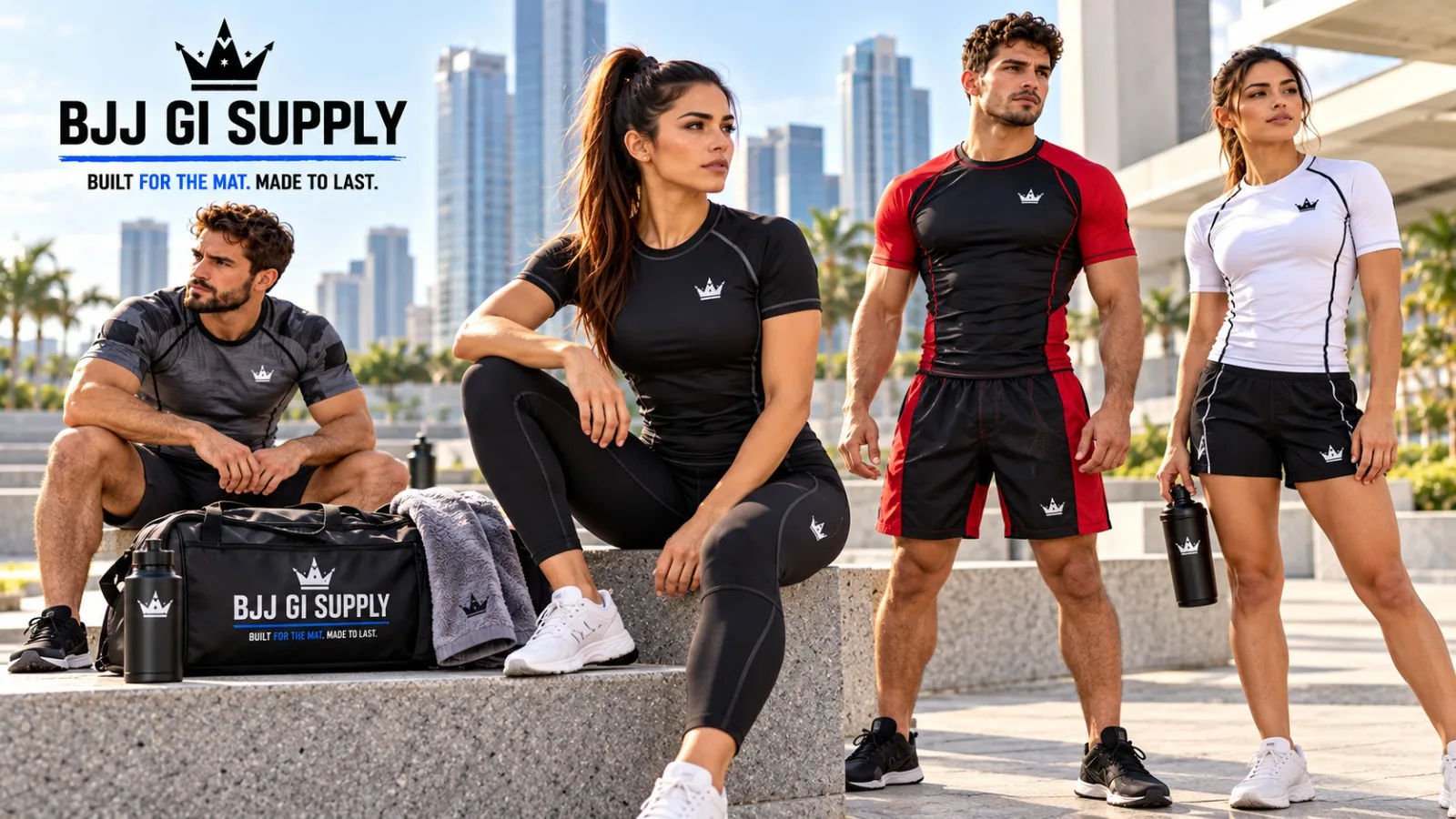
Understanding why Sports Wears develop fabric pills can help you choose better-quality clothing, improve your laundry routine, and extend the life of your favorite athletic outfits. Although pilling may make garments look old or worn, it does not always mean that the fabric is poor quality. The problem can result from fiber type, fabric construction, friction, washing methods, and everyday use.
The good news is that fabric pilling can often be reduced with proper care. By learning how these tiny fiber balls form and which materials are more resistant to them, you can make smarter purchasing decisions and keep your workout clothing looking better for longer.
What Is Fabric Pilling?
Fabric pilling occurs when small fibers on the surface of a textile become loose, tangled, and form tiny balls called pills. These balls usually appear as small bumps that can be felt or seen on the fabric.
Pilling is especially noticeable on clothing that experiences repeated rubbing. Areas such as the inner thighs, underarms, elbows, waistbands, and sides of athletic shirts may develop pills more quickly than other parts of a garment.
How Do Fabric Pills Form?
Sports Wears nogi bjj manufacturer develops through a series of simple stages.
First, friction loosens small fibers from the surface of the fabric. These fibers begin to protrude from the material rather than remaining tightly integrated into its structure.
Next, the loose fibers become tangled as the garment continues to rub against itself, equipment, other clothing, or external surfaces.
Finally, the tangled fibers form small balls that remain attached to the fabric. As friction continues, the pills may become larger or more visible.
The process is common in many textiles, including cotton, polyester, wool, and blended fabrics. However, the speed and severity of pilling depend on the specific fibers, yarn structure, fabric construction, and conditions of use.
Is Pilling the Same as Fabric Damage?
Pilling and fabric damage are related, but they are not exactly the same.
Pilling mainly affects the surface appearance of a garment. The fabric may still provide good coverage, stretch, and comfort even when small pills are visible.
However, severe pilling can sometimes occur alongside fiber breakage, thinning, or general wear. If a garment develops holes, loses its elasticity, or becomes transparent in stretched areas, the problem may involve more than surface pilling.
It is important to distinguish between a cosmetic issue and a structural problem when deciding whether a garment needs maintenance or replacement.
1. Friction During Exercise
Friction is one of the main reasons athletic clothing develops pills. Sports activities involve continuous movement, and clothing often rubs against skin, itself, or exercise equipment.
Running, cycling, weightlifting, yoga, and high-intensity training all create different types of friction.
Repeated Body Movement
During exercise, your arms, legs, and torso move repeatedly. As the fabric stretches and returns to its original shape, its surface experiences rubbing and tension.
For example, running leggings may develop pills around the inner thighs because the fabric repeatedly rubs together during each stride.
Similarly, a gym shirt may develop pills under the arms because the fabric moves against the body throughout a workout.
Contact With Gym Equipment
Exercise equipment can also contribute to pilling. Weight benches, resistance machines, yoga mats, and backpacks may create friction when they come into contact with clothing.
Rough surfaces can pull loose fibers from the textile, increasing the likelihood of small knots forming.
To reduce this problem, avoid unnecessary rubbing against abrasive surfaces and follow the manufacturer's recommendations for using specialized garments.
2. The Type of Fabric Used
The material used to manufacture athletic clothing has a major influence on its tendency to pill.
Different fibers have different lengths, strengths, surface characteristics, and abilities to resist abrasion. These differences affect how easily loose fibers form and whether they remain attached to the fabric.
Polyester and Synthetic Fibers
Polyester is widely used in athletic clothing because it is lightweight, durable, quick-drying, and suitable for moisture-management fabrics.
However, polyester garments can still develop pills. Polyester fibers are often strong enough to remain attached after becoming tangled, which can make pills persistent once they form.
Some polyester fabrics resist pilling well, while others develop noticeable surface fuzz after repeated use.
The difference depends on the fiber quality, yarn construction, fabric finish, and manufacturing process rather than simply the name of the material.
Cotton Fabrics
Cotton is a popular natural fiber because it feels soft and comfortable against the skin.
However, cotton clothing can develop pills when short fibers loosen and become tangled on the surface. The quality and length of the cotton fibers, along with the way the yarn is spun, influence the result.
Cotton-blend athletic clothing may offer a balance of comfort and durability, but its resistance to pilling depends on the particular blend and construction.
Nylon and Elastane Blends
Nylon is commonly used in sports leggings, fitted tops, and performance garments because it can provide strength, flexibility, and abrasion resistance.
Elastane, also called spandex or Lycra, adds stretch and helps garments maintain their shape.
These fibers do not automatically prevent pilling. A nylon-elastane blend can still develop pills if its surface fibers become loose through friction.
For fitted athletic clothing, the quality of the yarn and fabric structure is just as important as the fiber composition.
3. Poor Fabric Quality and Construction
Not all athletic fabrics are manufactured to the same standards. The quality of the raw fibers, yarn, knitting, and finishing can affect how well a garment resists pilling.
Short Fibers and Loose Yarns
Fabrics made with shorter fibers may have more fiber ends exposed at the surface. These fibers can work loose more easily during washing and repeated movement.
Loose yarn structures can also allow fibers to move and become entangled more readily.
However, short fibers alone do not guarantee poor performance. The overall yarn construction and finishing methods also play important roles.
Knitted Fabrics and Their Structure
Many athletic garments use knitted fabrics because they provide stretch and flexibility.
Depending on the knit structure, some fabrics may have more exposed loops or a surface that catches on rough materials. This can increase the chance of abrasion and fiber entanglement.
A well-designed knitted fabric can still provide excellent pilling resistance. The key is selecting a construction that suits the garment's intended use.
Manufacturing and Finishing Processes
Textile manufacturers may use processes designed to reduce loose surface fibers and improve durability.
These can include singeing, shearing, brushing, or other finishing techniques, depending on the material and intended texture.
Poorly controlled manufacturing or unsuitable finishing may leave a fabric more vulnerable to surface fuzz and pilling.
When shopping, look for garments from manufacturers that provide useful information about fabric performance, durability, and care.
4. Incorrect Washing Methods
Laundry habits have a significant impact on the appearance and lifespan of athletic clothing.
Even a well-made garment can develop pills more quickly if it is washed under harsh conditions or with unsuitable items.
Washing With Rough Fabrics
When soft athletic clothing is washed alongside rough towels, denim, jackets, or garments with exposed fasteners, friction can increase.
Zippers, hooks, and abrasive surfaces may also catch loose fibers and pull them away from the fabric.
Separating delicate performance clothing from rougher laundry can help reduce unnecessary abrasion.
Using Excessive Washing Machine Agitation
Aggressive washing cycles create more movement and rubbing between garments.
This can loosen fibers and increase the formation of pills, especially on fabrics that are already vulnerable to abrasion.
Use a gentle or suitable synthetic-fabric cycle when recommended by the garment's care label. Avoid overloading the washing machine because crowded loads can prevent clothing from moving and rinsing properly.
Washing in Very Hot Water
Hot water is not always the direct cause of pilling, but unsuitable temperatures can damage some fabrics, finishes, and elastic components.
Sports clothing often contains synthetic fibers and stretch materials that benefit from following the manufacturer's recommended temperature.
Cool or lukewarm water is frequently suitable for everyday athletic garments, but the care label should always guide your decision.
Using Too Much Detergent
Excess detergent may leave residue on fabric if it is not rinsed out properly. This residue can affect the feel of clothing and may contribute to buildup over time.
Using the recommended amount of detergent helps keep garments clean without introducing unnecessary residue.
Fabric softeners should also be used cautiously. Some performance garments are designed to manage moisture through specialized fabric structures, and softeners can interfere with that performance.
5. Tumble Drying and Excessive Heat
Drying methods can influence the durability of athletic clothing.
Tumble dryers expose garments to heat and repeated mechanical movement. Depending on the material, these conditions may contribute to surface wear and affect elasticity.
How Dryer Movement Affects Fabric
As clothing tumbles, garments repeatedly rub against each other and the inside of the drum.
This movement can create additional abrasion, particularly when the dryer is overloaded or the fabric is already vulnerable to pilling.
For suitable garments, air-drying can reduce this source of mechanical wear.
Why Heat Matters
Excessive heat can affect elastic fibers and some synthetic textiles. It may also cause shrinkage or changes in fabric texture.
Always follow the drying instructions on the care label. If tumble drying is permitted, use the recommended setting rather than assuming that high heat will make the process more effective.
Avoid placing damp athletic garments directly on a hot radiator or another intense heat source.
6. Sweat, Body Oils, and Everyday Wear
Sweat does not directly create every fabric pill, but the conditions associated with exercise can affect clothing care and surface wear.
Athletic garments regularly encounter moisture, body oils, deodorants, sunscreen, and other substances.
When these materials accumulate, they may affect the fabric's feel or cause residue to build up. Repeated movement while wearing the garment can then contribute to abrasion.
Why Workout Clothing Needs Proper Cleaning
Washing athletic garments after use helps remove sweat, body oils, and odor-causing residues.
However, excessive washing with harsh cycles can also accelerate wear. The aim is to clean clothing thoroughly while minimizing unnecessary friction.
Turn garments inside out before washing when appropriate, use a suitable detergent, and avoid leaving sweaty clothing damp in a gym bag for extended periods.
Clothing Fit and Surface Friction
Fit can influence how much friction a garment experiences.
Very loose clothing may rub against itself, equipment, or other surfaces. Tight clothing may experience repeated stretching and rubbing in areas such as the thighs, waist, and underarms.
Neither loose nor tight clothing is automatically more likely to pill. The result depends on the activity, fabric, garment design, and points of contact.
Choose clothing that supports your movement without creating unnecessary rubbing or discomfort.
7. How to Prevent Pilling in Sports Wears
Although pilling cannot always be prevented, several practical steps can reduce its likelihood and help athletic clothing remain attractive for longer.
Choose Fabrics Designed for Durability
When buying new workout clothing, consider the intended activity and the garment's construction.
For activities involving frequent contact with equipment or rough surfaces, prioritize fabrics with a suitable abrasion-resistance rating when that information is available.
Look for products that describe their pilling performance or have been tested for durability.
Fabric composition alone is not enough to determine quality. Two garments made from the same percentage of polyester can perform differently because of differences in yarn quality, knitting, and finishing.
Turn Garments Inside Out
Turning clothing inside out before washing helps protect the visible outer surface from some direct friction.
This is particularly useful for leggings, fitted tops, and other garments with smooth or brushed finishes.
Close zippers and fasteners on other items in the load, and separate clothing that may catch on delicate fabric.
Use Gentle Washing Settings
Choose a washing cycle that is appropriate for the garment's material and soil level.
Use a suitable amount of detergent and avoid unnecessarily long or aggressive cycles.
Washing similar fabrics together can also reduce abrasion caused by rougher items.
Air-Dry When Practical
Air-drying can reduce the mechanical stress associated with tumble drying.
Hang garments according to their care instructions, or lay them flat when necessary to help preserve their shape.
Avoid drying delicate stretch garments in direct, intense heat.
Rotate Your Workout Clothing
Wearing the same garment for every workout increases the amount of use and friction it experiences.
Having several suitable outfits allows you to rotate them, giving each garment a break between sessions.
This will not eliminate pilling, but it can reduce concentrated wear on a single item.
8. How to Remove Existing Fabric Pills
If your athletic clothing has already developed pills, you may be able to improve its appearance without replacing the garment.
Use a Fabric Shaver
A fabric shaver is a small device designed to remove pills from textile surfaces.
Lay the garment flat, follow the device instructions, and move it gently over the affected area.
Do not press too hard or use the device on loose seams, thin sections, or delicate mesh unless the manufacturer confirms it is suitable.
Try a Fabric Comb
A fabric comb can remove pills from some thicker or sturdier fabrics.
Use gentle strokes and test a small, inconspicuous area first. Some lightweight performance materials may snag or become damaged if the comb is unsuitable.
Avoid Pulling Pills by Hand
Pulling pills with your fingers can remove or break additional fibers, potentially creating more surface damage.
If a pill needs to be removed, use a suitable tool and work carefully.
Know When Replacement Is Necessary
Pilling alone does not always mean that clothing needs to be replaced.
However, if the garment has become thin, lost its stretch, developed holes, or no longer provides suitable coverage, replacement may be the safer and more practical option.
For sports leggings and fitted garments, check for excessive transparency when stretched.
9. How to Identify Pilling-Resistant Athletic Clothing
Selecting suitable clothing before purchasing it can save time and money in the long run.
Check Product Descriptions
Look for descriptions mentioning abrasion resistance, anti-pilling finishes, or tested durability.
These claims can be useful, but they should be considered alongside information about fabric composition, construction, and intended use.
Look for Testing Information
Some manufacturers provide results from textile tests that evaluate resistance to pilling.
One example is the Martindale abrasion and pilling testing approach, in which fabrics are subjected to controlled rubbing and their surface appearance is assessed.
Different testing methods use different procedures and rating systems, so compare results only when the methods are comparable.
Examine the Fabric Carefully
Before purchasing, inspect the garment's surface, seams, and overall construction.
A fabric that already shows loose fuzz, uneven knitting, or obvious surface defects may deserve closer attention.
However, appearance alone cannot reliably predict long-term performance. Product testing and manufacturer information can provide additional guidance.
Conclusion
Fabric pilling is a common problem that affects athletic clothing made from a wide range of materials. It occurs when loose surface fibers become tangled through repeated friction, forming small balls that can make garments look worn.
The main causes include exercise-related rubbing, fabric composition, yarn construction, manufacturing quality, aggressive washing, unsuitable drying methods, and repeated everyday use. Sweat and body oils can also affect clothing care, although friction is the main mechanism behind the formation of pills.
Fortunately, there are practical ways to reduce the problem. Choosing well-constructed garments, washing clothing inside out, using suitable laundry cycles, avoiding excessive heat, and rotating workout outfits can help preserve fabric quality.
If pills have already appeared, a suitable fabric shaver or comb may restore a smoother appearance. However, garments that have become thin, damaged, or unable to provide proper coverage may need replacement.
Ultimately, the best approach is to combine smart purchasing decisions with consistent garment care. When you understand why Sports Wears develop fabric pills, you can make better choices, protect your investment, and enjoy athletic clothing that remains comfortable and attractive for longer.