A commercial roof protects much more than the people working inside a building. It also shields equipment, inventory, electrical systems, documents, ceilings, insulation, and other valuable property from weather and moisture. Because commercial roofing systems can be large and technically complex, regular inspections are an important part of keeping them in usable condition. 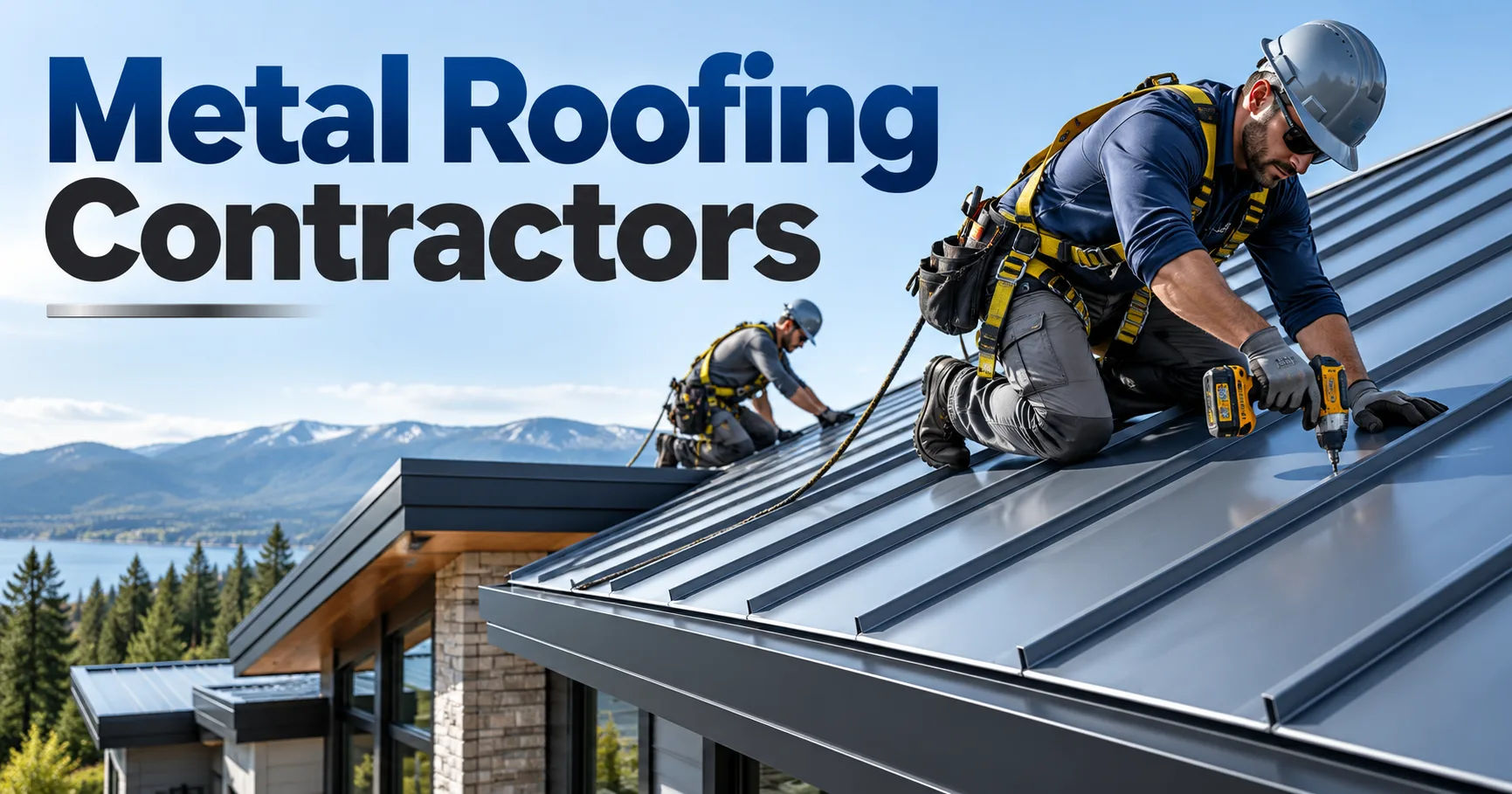 In many cases, commercial roofing contractors are the professionals businesses call when they need a detailed assessment of a roof.
A roof may appear fine from the ground while developing problems that are difficult to see without getting closer. Small cracks, damaged flashing, blocked drains, loose seams, standing water, and deteriorating membrane areas can gradually become larger problems. An inspection can help identify these conditions before they result in expensive repairs or disruption to the building.
The answer is yes. Commercial roofing contractors commonly inspect roofs as part of their services. The exact inspection process depends on the roofing system, building, roof age, access conditions, maintenance history, and reason for the inspection. Some inspections are routine, while others are performed after severe weather, before a property transaction, or when a building owner notices signs of leakage.
What Does a Commercial Roof Inspection Involve?
A commercial roof inspection is more than simply walking across the roof and looking for obvious damage. A qualified professional generally evaluates the condition of the roofing system and related components.
The goal is to understand what is happening on the roof, where problems are located, and whether immediate repairs or longer-term maintenance may be necessary.
Visual Examination of the Roofing Surface
The roof surface is usually one of the first areas inspected. The contractor looks for visible signs of deterioration, including cracks, punctures, blisters, tears, exposed materials, loose sections, and unusual wear.
The type of damage depends heavily on the roofing material. A single-ply membrane, modified bitumen system, built-up roof, metal roof, or roof coating can each develop different problems.
Inspectors also look for areas where the surface does not appear to be performing as expected. A small defect may not be causing an interior leak yet, but it can still deserve attention.
Checking Flashing and Seams
Flashing is an important part of many commercial roofing systems because it helps protect vulnerable transitions and penetrations.
Inspectors examine flashing around walls, curbs, vents, skylights, HVAC equipment, and other roof features. Damaged or poorly sealed flashing can create paths for water to enter the building.
For membrane roofs, seams are another important inspection point. Separation, lifting, or deterioration around seams can compromise the system even when the larger roof surface looks relatively intact.
Inspecting Drains and Drainage Systems
Water needs somewhere to go. A commercial roof with inadequate drainage can experience standing water after rainfall.
During an inspection, professionals may examine drains, scuppers, gutters, downspouts, and related drainage components. They may also look for debris that could prevent water from leaving the roof efficiently.
Drainage problems should not be ignored simply because the roof does not currently leak. Repeated ponding can place additional stress on roofing materials and may contribute to deterioration over time.
Why Do Businesses Schedule Roof Inspections?
There are several reasons a business owner or property manager may arrange a professional inspection.
Routine maintenance is one of the most common. Regular inspections can help identify developing issues and provide information for maintenance planning.
Another reason is a suspected leak. If water appears on a ceiling, around a wall, or near equipment, an inspection can help locate potential sources. Finding the source is not always as simple as looking directly above the visible interior damage. Water can travel through roofing materials before appearing inside.
After Severe Weather
Heavy rain, hail, strong winds, and other severe weather can affect commercial roofing systems.
A roof may suffer damage that is not immediately obvious from inside the building. A professional inspection after a significant weather event can identify loose materials, punctures, displaced components, damaged flashing, and drainage issues.
Prompt attention can also be useful when an issue needs to be documented for insurance purposes. Businesses should follow their insurance provider's requirements and avoid assuming that every type of roof damage will be covered.
Before Buying or Selling a Property
Roof condition can be an important consideration during a commercial property transaction.
A buyer may want to know whether the roof is approaching the end of its expected service life or whether significant repairs may be needed. Sellers may also arrange inspections to understand the property's condition before putting it on the market.
A professional report can provide useful information for discussions about maintenance, repairs, warranties, or other property considerations.
How Often Should a Commercial Roof Be Inspected?
There is no single schedule that applies to every commercial building.
Inspection frequency can depend on the roof's age, material, climate, exposure, previous repair history, building use, and manufacturer's recommendations.
Many businesses benefit from routine inspections at least periodically throughout the year, particularly when the roof is older or exposed to challenging weather conditions. Inspections may also be appropriate after major storms or whenever signs of trouble appear.
A maintenance program can make this easier because inspections become part of normal building management instead of something that only happens after a leak.
Older Roofs May Need Closer Attention
Roofing materials do not last forever. As a roof ages, deterioration can become more likely.
That does not automatically mean an older roof needs replacement. A properly maintained roof may continue performing for years. However, older systems generally deserve careful monitoring because small defects can become increasingly important.
An inspection can help determine whether maintenance remains practical or whether the property owner should begin planning for larger work.
What Problems Can an Inspection Detect?
Professional inspections can identify a wide range of roofing problems.
Common findings include membrane damage, deteriorated flashing, damaged seams, clogged drains, ponding water, surface wear, loose metal components, damaged coatings, and problems around penetrations.
The inspection may also reveal conditions that are not directly causing leaks but could contribute to future problems.
Water Damage
Water intrusion is one of the most serious concerns associated with a commercial roof.
A small leak can eventually affect insulation, ceilings, walls, electrical components, stored products, and interior finishes. Moisture can also remain hidden for some time.
Inspectors may look for evidence of moisture intrusion and investigate areas associated with reported leaks. Depending on the situation, additional diagnostic methods may be recommended.
Structural Concerns
Roof inspections can sometimes reveal signs that warrant further structural evaluation.
For example, unusual sagging or persistent ponding may deserve closer attention. A roofing contractor can identify roofing-related concerns, but some structural questions may require a qualified structural engineer or another specialist.
This distinction matters. A roof inspection should not automatically be treated as a complete structural assessment of the entire building.
Can Contractors Inspect All Types of Commercial Roofs?
Many commercial roofing contractors work with multiple roofing systems, but experience can vary between companies and individual professionals.
A contractor who regularly works with single-ply membranes may have extensive experience with systems such as TPO, PVC, or EPDM. Another company may specialize more heavily in metal roofing, modified bitumen, built-up roofing, coatings, or other systems.
When scheduling an inspection, it is sensible to ask whether the contractor has experience with the specific roofing system installed on the building.
Different Materials Require Different Inspection Approaches
A metal roof may require attention to fasteners, seams, corrosion, panels, penetrations, and flashing.
A membrane roof requires careful attention to seams, punctures, membrane condition, flashing, and drainage.
A roof coating may need evaluation for cracking, peeling, thinning, adhesion issues, and areas where the underlying roof may be deteriorating.
Understanding the material helps the inspector focus on the areas most relevant to that system.
What Happens After the Inspection?
The next step depends on what the contractor discovers.
If the roof is in good condition, the inspection may simply provide reassurance and recommendations for routine maintenance.
If minor problems are found, the contractor may recommend targeted repairs. Addressing smaller issues can sometimes help prevent more extensive deterioration.
If the roof has widespread deterioration, the discussion may shift toward restoration or replacement.
Inspection Reports
A useful inspection report should explain the observed condition rather than simply stating that the roof is good or bad.
Depending on the contractor and inspection type, the report may include photographs, descriptions of damaged areas, recommendations, and information about the general condition of the roofing system.
Property owners should pay attention to specific findings. A report that identifies exactly where problems exist is generally more useful for maintenance planning than a vague statement about the roof's condition.
Can a Roof Inspection Prevent Leaks?
An inspection cannot guarantee that a roof will never leak.
Weather, aging, physical damage, construction activity, drainage problems, and other factors can create new issues after an inspection has been completed.
However, inspections can help identify existing vulnerabilities before they become more serious.
This is particularly valuable for commercial properties because roof problems can affect business operations. A leak in a warehouse, office, retail location, restaurant, or industrial facility can create costs beyond the roofing repair itself.
Should You Hire a Contractor or Inspect the Roof Yourself?
Property managers may notice obvious problems from ground level, but walking a commercial roof is different from looking at it from below.
Commercial roofs can contain slippery surfaces, fragile materials, roof openings, electrical equipment, HVAC systems, skylights, and other hazards.
There is also a difference between noticing damage and understanding what that damage means.
A trained professional can evaluate roofing components and provide recommendations based on the system's condition. Building owners and employees can still perform basic visual observations from safe areas, but detailed roof inspections are generally better handled by qualified professionals.
What Should You Ask Before Hiring an Inspector?
Before scheduling an inspection, ask about the contractor's experience with your specific roof type.
It is also reasonable to ask what the inspection includes. Will the contractor examine drainage? Flashing? Seams? Penetrations? Rooftop equipment areas? Interior signs of water intrusion?
You can also ask whether photographs and a written report will be provided.
Another important question concerns recommendations. If repairs are suggested, ask which issues require prompt attention and which can be addressed as part of normal maintenance.
Be Careful With Replacement Recommendations
A roof inspection should provide information about the roof's condition. A recommendation for replacement should be supported by observable reasons.
If a contractor immediately recommends replacing an entire roof without explaining the condition of the existing system, it may be reasonable to seek another professional opinion.
A second inspection can be particularly useful when the proposed project is large and expensive.
How Inspections Support Commercial Roof Maintenance
An inspection is most useful when it becomes part of a broader maintenance strategy.
Instead of waiting for a leak, property managers can keep records of inspections, repairs, recurring problems, and major weather events.
This creates a history of the roofing system.
Over time, that information can help identify recurring trouble spots and make budgeting easier. It can also help property managers communicate more clearly with contractors when problems appear.
Documentation Can Save Time
Good records can show when an issue was first noticed, what repair was performed, and whether the same location developed another problem.
This information can be especially helpful for larger properties with multiple roof sections.
Photos can also provide useful documentation. A contractor can compare current conditions with previous inspection photographs to determine whether deterioration appears to be progressing.
Does Every Roof Inspection Mean Something Is Wrong?
No.
An inspection does not necessarily mean the roof has failed or that repairs are required.
Sometimes the purpose is simply preventive maintenance.
For a relatively new roof, an inspection can establish a baseline condition. For an older roof, it can help identify areas that deserve monitoring. For a building being purchased, it can provide information for due diligence.
In other words, an inspection is a way of gathering information. The results determine what action, if any, makes sense.
The Importance of Professional Judgment
Roofing inspections involve more than spotting visible defects. Professionals need to consider how different components work together.
For example, a drainage problem may contribute to moisture exposure, while deteriorated flashing may create a separate vulnerability around a rooftop penetration.
A qualified inspector should explain findings in practical terms and distinguish between urgent defects, maintenance items, and conditions that simply deserve monitoring.
The best inspection process is not about finding the greatest number of problems. It is about accurately understanding the roof's current condition.
Conclusion
Yes, commercial roofing contractors do inspect roofs, and inspections can be an important part of commercial property maintenance. A professional inspection can examine the roofing surface, seams, flashing, penetrations, drainage components, and other areas that may affect performance.
Inspections are useful for many situations. A business may schedule one as part of routine maintenance, after severe weather, when a leak appears, before buying a property, or when an aging roof needs a condition assessment.
The value of an inspection comes from identifying problems early and understanding their significance. Small defects do not always require major work, while apparently minor water issues can sometimes lead to expensive interior damage if ignored.
Property owners should also remember that no inspection can predict every future roofing problem. New damage can occur after the inspection, and some conditions may require specialized testing or evaluation by another professional.
Choosing a contractor with experience in the building's specific roofing system can make the inspection more useful. Asking what will be inspected, requesting clear documentation, reviewing photographs, and understanding the difference between immediate repairs and long-term recommendations can also help property owners make informed maintenance decisions.
Ultimately, a commercial roof deserves regular attention because it protects the building and everything operating inside it. Professional inspections provide a practical way to monitor that protection, address developing issues, and plan future roofing work based on the actual condition of the system rather than waiting for a costly problem to appear.