The area of photonics has seen exceptional developments, specifically in the development of different modulators that play important duties in countless optical applications. Among these, fiber acousto-optic modulators (AOMs) and their many variants, such as space AOMs and free-space AOMs, stand out due to their adaptability and efficiency.
These lasers generate light with an exceedingly narrow spooky width, making them optimal for various detailed applications, including meaningful communication systems and high-resolution spectroscopy. This integration shows the pattern in the direction of enhanced compactness and effectiveness in optical systems without compromising performance.
The utility of fiber optic delay lines can not be overemphasized, specifically in designing innovative optical systems that need exact timing and synchronization. These delay lines harness the intrinsic residential or commercial properties of fiber optics to manage light signals properly, permitting scientists and engineers to discover high-speed data transmission or detailed timing trying outs very little loss of fidelity. The electric optical fiber delay line functions as a central part in this context, assisting in the control of light signals to match certain needs.
Check out modulator drivers the latest advancements in photonics, concentrating on the crucial role of fiber acousto-optic modulators in improving laser applications, telecoms, and accuracy optical systems for diverse sectors.
Modulators are vital in laser systems, playing an important role in transforming constant wave results into pulse layouts. Acousto-optic Q-switch modulators offer this specific objective, allowing quick modulation of laser outcomes, which causes high-peak power pulses. This capacity is essential in applications such as product processing, where precision and speed are important. The choice in between an AOM and an electro-optic modulator (EOM) frequently arises in conversations surrounding modulation techniques. While both offer the primary function of pulse modulation, an AOM typically shows higher optical power taking care of capacities and faster switching times contrasted to EOMs, making AOMs specifically useful in high-energy laser applications.
The distinction between acousto-optic switches and modulators is a crucial element of understanding just how these devices function in different situations. In contrast, a modulator readjusts the light’s buildings, straight affecting the light beam’s characteristics.
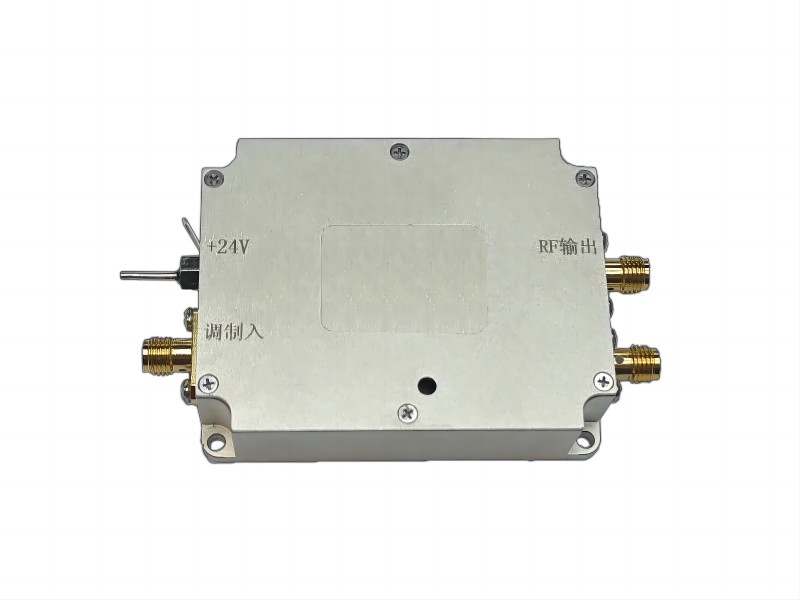
Acousto-optic devices have actually significantly obtained grip in the marketplace, driven by the escalating demand for sophisticated optical innovations. The acousto-optic modulator market is experiencing significant development due to applications in telecoms, armed forces systems, and industrial production. These devices are important for frequency shifting, beam of light steering, and signal processing. As modern technology develops, firms are developing innovative options to address the needs for miniaturization, enhanced efficiency, and cost-effectiveness.
Narrow linewidth fiber lasers display secure discharge with marginal spooky spread, catering to applications in fiber-optic communications and picking up technologies. Combining these fibers with sophisticated modulators allows researchers to discover brand-new frontiers in optical interaction systems.
Acoustic optical deflectors add to the flexibility of optical systems, using a way to adjust light dynamically and efficiently by making use of acoustic waves as the managing device. Such devices can be located in different applications, from laser scanning systems to advanced imaging techniques. By using the concepts of acousto-optics, these deflectors help in attaining quick and precise changes in the beam of light’s trajectory without the demand for complex mechanical components.
In discovering the sorts of pulse modulation, one recognizes the details and selection intrinsic in the area. Pulse modulation methods, such as pulse-width modulation (PWM) and pulse-position modulation (PPM), permit manipulation of light based upon exhaust to develop varying signal types. These techniques cultivate advancements in electronic devices and photonics, from regulating laser outputs to improving the efficiency of fiber optic systems.
Additional consideration of optical passive components reveals their vital role in boosting system integrity. These components, which include couplers, filters, and isolators, facilitate the company and monitoring of light within complicated optical arrangements without the need for active participation. Their contribution to overall system efficiency is critical, mainly when incorporated with modulators and other vibrant optical devices. Significantly, the seamless assimilation of energetic and passive components defines the ability of modern photonic systems.
The growing focus on space applications emphasizes the need for trusted and robust optical systems that can operate efficiently in extreme problems. Space acousto-optic modulators, in specific, accommodate the one-of-a-kind requirements of space missions, where factors such as radiation direct exposure and temperature level changes can substantially affect performance. The growth of space-grade acousto-optic devices guarantees that interaction and data collection remain continuous in the harsh environments of space.
Acousto-optic Q-switching represents one of one of the most efficient approaches of producing high-energy pulses, vital for applications ranging from laser noting to clinical procedures. The modulation capacities inherent in AOMs allow them to adapt to varying demands, maximizing pulse period and energy result. Consequently, they give an innovative path to raise laser applications throughout varied areas.
As we dive better right into the future of photonics, it becomes increasingly clear that advancement in laser modulators and acousto-optic modern technologies is crucial. The innovations in modulator drivers enhance the effectiveness with which AOMs and EOMs run, enabling much faster and much more reputable performance. The crossover in between advancements in modulation and the enhancing need for greater data transfer and reduced latency in interaction systems recommends a future abundant with opportunities for enhanced optical communications.
Comprehending the basic auto mechanics that underpin acoustic optical modulators will lead to premium style and performance renovations as research proceeds to thrive. The exploration of brand-new materials, integrations, and techniques in locations like micro-nano fabrication will likely produce devices with also finer control and extended functional lifetimes. These advancements not only guarantee boosted performance for existing systems but invite completely brand-new applications within emerging technologies in quantum computer, robotics, and progressed production.
In recap, the domain of acousto-optic modulators and relevant fiber-optic modern technologies symbolizes quick progress and complexity, working as foundational components within many modern optical applications. With the expanding need for precision and high efficiency in various markets, the growth of acousto-optic devices, such as fiber AOMs, remains to progress, adjusting to brand-new obstacles and possibilities. As engineers and researchers press the limits of development, these devices will certainly continue to be central to forming the future of optical communication, laser applications, and past, proclaiming a new age of technical improvement.