A well-fitted leather coat can transform an everyday outfit into a polished and confident look. Pelle Pelle is one example of a brand associated with distinctive leather fashion, making fit especially important when choosing a belted coat. A belt can define the waist, shape the silhouette, and add structure, but only when the coat fits correctly through the shoulders, chest, sleeves, and hips.
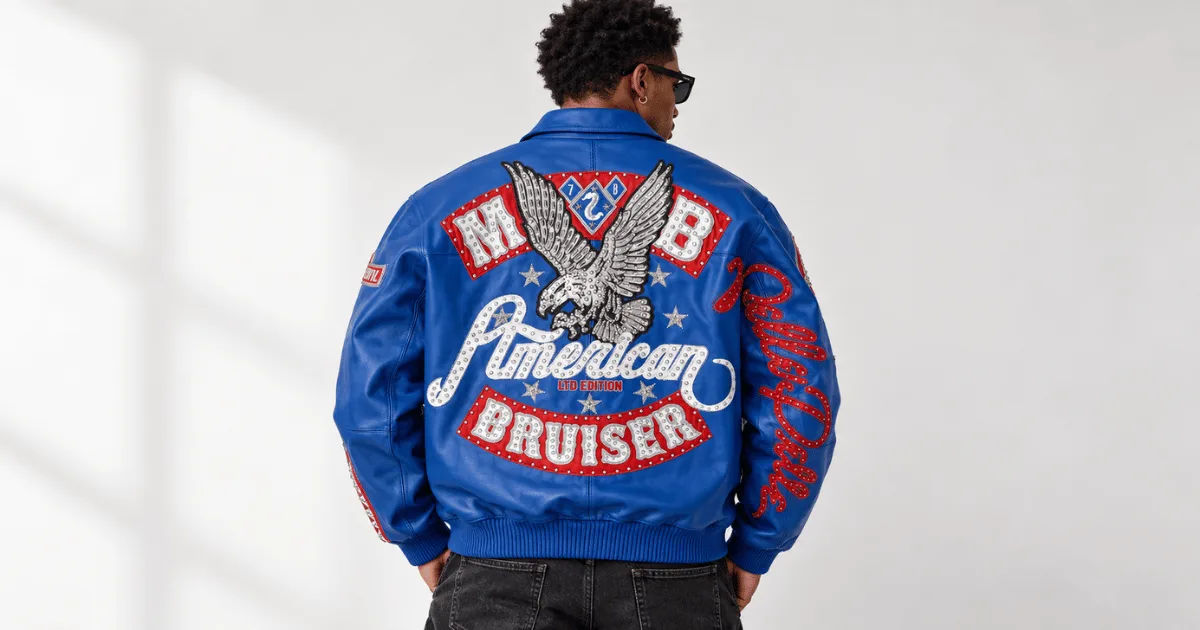
Belted leather coats for women should feel comfortable without looking oversized or excessively tight. The right fit allows enough room for movement and layering while still following the natural shape of the body. Since leather can be less forgiving than soft fabric, choosing the correct size is essential.
This comprehensive guide explains how a belted leather coat should fit, what to check when trying one on, how the belt should sit, and which common fitting mistakes to avoid.
Why Fit Matters in a Belted Leather Coat
Leather coats are usually considered structured outerwear. Unlike lightweight cardigans or loose sweaters, they are designed to hold a particular shape.
A good fit helps the coat look intentional and balanced. It also makes the garment more comfortable to wear for long periods.
With styles from Pelle Pelle and similar leather fashion brands, the construction may include heavier leather, lining, hardware, collars, and defined waistlines. All these details can affect how the coat sits on the body.
An incorrectly sized coat may pull across the chest, restrict the shoulders, or create unnecessary bulk around the waist.
Comfort and Appearance Should Work Together
A fashionable coat should not require you to sacrifice comfort. You should be able to walk, sit, bend your arms, and wear a light layer underneath without feeling restricted.
At the same time, the coat should not be so loose that the belt has to be pulled excessively tight to create a shape.
The ideal fit creates a clean silhouette while maintaining enough space for natural movement.
How Should the Shoulders Fit?
The shoulders are one of the most important areas to examine when buying a leather coat.
The shoulder seams should generally sit close to the natural edge of your shoulders. They should not fall several inches down the upper arm unless the coat is intentionally designed with an oversized or dropped-shoulder style.
When looking at a Pelle Pelle leather coat or another structured design, check the shoulder area before focusing on the waist.
Avoid Tight Shoulder Seams
If the shoulder area feels tight when you move your arms forward, the coat may be too small.
Leather does not always stretch enough to correct a poor shoulder fit. A little initial stiffness is normal, particularly with new leather, but significant restriction is not.
Raise your arms, reach forward, and cross them in front of your body. If these movements cause uncomfortable pressure around the shoulders, consider a larger size or a different cut.
Avoid Excessively Wide Shoulders
Shoulders that extend far beyond your natural shoulder line can make a fitted belted coat look bulky.
An oversized style can be fashionable, but it should look intentional. If the rest of the coat is designed for a close fit, oversized shoulders can create an unbalanced appearance.
How Should the Chest Fit?
The chest should have enough room to allow comfortable movement without excessive fabric gathering.
When the coat is closed, look for signs of tension around buttons, snaps, or the zipper.
If the front closure creates horizontal wrinkles or pulls strongly across the chest, the coat is probably too tight.
On the other hand, if there is a large amount of empty space between your body and the coat, you may need a smaller size or a more fitted design.
Consider What You Will Wear Underneath
Think about your normal layering habits.
If you plan to wear the coat over a thin blouse or shirt, a closer fit may work well. If you expect to wear sweaters or thicker knitwear underneath, additional room is necessary.
Many women make the mistake of trying a coat over a thin top and then discovering that it becomes uncomfortable when worn with winter clothing.
A coat from Pelle Pelle or any other leather label should be selected according to how you realistically intend to wear it.
How Should the Waist Fit?
The waist is particularly important in a belted leather coat because the belt naturally draws attention to this area.
The coat should follow the waist without squeezing it.
When the belt is fastened comfortably, it should define your shape rather than create deep folds or excessive pressure.
The Belt Should Sit Naturally
A belted coat should allow the belt to sit around the intended waistline.
Depending on the design, the belt may sit at the natural waist, slightly above it, or lower around the hips.
Do not assume every belt should be tightened at your smallest point. The correct position depends on the coat's pattern and your body proportions.
The belt should close without requiring excessive force.
Avoid Over-Tightening
One common mistake is using the belt to compensate for a coat that is too large.
If you need to pull the belt extremely tight to keep the coat in place, the underlying garment may not be the correct size.
An overly tightened belt can create bunching around the back and sides. It can also make the front closure look distorted.
A well-designed Pelle Pelle coat should maintain its shape without requiring aggressive tightening.
How Should the Hips Fit?
The hip area needs enough space for comfortable movement, particularly with longer leather coats.
Stand naturally with the coat closed and belted. Then sit down and walk around.
If the coat becomes extremely tight around your hips when you sit, it may be too narrow.
A properly fitted coat should remain comfortable in several everyday positions.
Check the Coat From the Back
The back often reveals fitting problems that are difficult to notice from the front.
Look for excessive horizontal pulling, large folds, or fabric that bunches beneath the belt.
Some shaping at the back is normal. However, significant tension can indicate that the coat is too small through the waist or hips.
What Is the Correct Sleeve Length?
Sleeve length depends partly on the coat style and the look you prefer.
For a traditional leather coat, sleeves usually reach approximately the wrist bone or slightly beyond it.
When your arms are relaxed, the sleeves should provide adequate coverage without extending excessively over your hands.
Test Sleeve Movement
Move your arms naturally while trying on the coat.
If the sleeves become noticeably short whenever you bend your elbows, check whether the coat is restricting movement through the shoulders.
Sleeve length can also appear different depending on whether the coat has a fitted or relaxed arm design.
How Much Room Should Be Inside a Leather Coat?
There should be enough room for the clothing you plan to wear underneath without creating a shapeless appearance.
For everyday autumn wear, a shirt or lightweight sweater may require only modest additional room.
For colder weather, you may need enough space for a thicker sweater.
The key is to avoid both extremes.
A coat that is too tight can restrict movement. A coat that is too loose can lose the structured silhouette that makes belted leather outerwear attractive.
How Should a Long Belted Leather Coat Fit?
Long leather coats require special attention because their length affects the entire silhouette.
The coat should hang smoothly from the shoulders down toward the hem.
The belt should create definition without making the lower part of the coat flare awkwardly.
With longer styles from Pelle Pelle, consider how the coat looks both open and closed.
When open, it should fall naturally rather than appearing excessively wide. When closed, the belt should create a balanced shape without producing heavy bunching.
Consider Your Height
Coat length can significantly influence proportions.
A longer coat may create an elegant appearance on taller women, while a shorter belted style can sometimes feel more balanced on petite frames.
However, there are no strict rules. The most important factor is how the coat's proportions work with your overall outfit.
How Should a Belted Leather Coat Fit Different Body Shapes?
Body shape should not determine what you are allowed to wear. Instead, it can help you understand which cuts may feel most comfortable and flattering.
Curvier Figures
Women with fuller busts or hips may prefer coats with enough room in those areas while maintaining waist definition.
A belt can highlight the waist naturally, but it should never feel restrictive.
Straight or Athletic Figures
A belted coat can add visual definition around the waist.
Look for designs where the belt sits comfortably and does not require excessive tightening to create shape.
Petite Figures
A shorter or moderately fitted coat can sometimes prevent the body from being visually overwhelmed by heavy leather.
Pay attention to sleeve length, belt placement, and overall coat length.
Taller Figures
Longer belted coats can work particularly well because their length can complement a taller frame.
Still, shoulder placement and sleeve length remain essential.
Should You Size Up in a Leather Coat?
Sizing up is not automatically the correct solution.
Some women choose a larger size because they expect leather to feel stiff initially. However, going too large can result in oversized shoulders, long sleeves, and excessive fabric around the waist.
Instead, focus on the areas that are difficult to alter.
Shoulders and armholes are particularly important. Waist and sleeve adjustments may sometimes be easier for a professional tailor.
When considering Pelle Pelle, always check the specific product's measurements rather than relying only on your usual clothing size.
Does Leather Stretch With Wear?
Leather can soften and relax with use, but you should not depend on substantial stretching to fix a coat that is clearly too small.
A new leather coat may feel firmer than a worn one. This is normal.
However, discomfort, restricted movement, or significant pulling is a sign that the fit needs attention.
The coat should feel reasonably comfortable from the beginning.
How to Try on a Belted Leather Coat Correctly
When shopping for Pelle Pelle leather outerwear, use several simple tests.
First, put on the clothing you expect to wear beneath the coat.
Next, close the main zipper, buttons, or snaps.
Fasten the belt at a comfortable position rather than pulling it as tightly as possible.
Move your arms forward and upward. Sit down. Walk around. Check the sleeves and examine the back.
Finally, look at yourself from different angles.
A coat may appear perfect from the front but reveal tightness or excess fabric from the side or back.
Common Fit Mistakes to Avoid
One major mistake is choosing a coat based solely on the size printed on the label.
Sizes vary between brands and individual designs.
Another mistake is buying a coat that is too tight because you assume leather will stretch significantly. While leather can soften, it should not be expected to correct major sizing problems.
Some shoppers also focus too much on waist definition and ignore shoulder fit.
The belt should enhance the coat's shape, not compensate for poor construction or an incorrect size.
Buying a coat that is excessively large is another common issue. A very loose coat may allow plenty of layering but can lose its polished appearance.
How Should the Coat Feel When Sitting?
A good fit should remain comfortable when sitting.
This is especially important with longer coats and fitted waist designs.
Sit in a chair while wearing the coat and keep the belt fastened. Make sure the front does not pull uncomfortably and that the hips have enough room.
If the coat feels fine while standing but becomes restrictive when sitting, reconsider the size or cut.
How Can Tailoring Improve the Fit?
Professional tailoring can improve certain aspects of a leather coat.
Sleeve adjustments, waist shaping, and minor alterations may be possible depending on the coat's construction.
However, leather requires specialized tailoring skills. It is not always treated like ordinary fabric.
Before altering an expensive Pelle Pelle coat, find a tailor who has experience working with leather.
Poor alterations can permanently affect stitching, panels, or the overall structure.
How Should the Belt Be Styled?
The belt is both a functional and decorative feature.
For a classic appearance, fasten it naturally around the waist without pulling excessively.
You can also leave the coat open when the weather permits. This allows the belt to remain visible while creating a relaxed silhouette.
Some designs look better with the belt tied loosely, while others are intended to be buckled.
The correct approach depends on the coat's construction and your personal style.
Signs That Your Coat Fits Correctly
A properly fitted belted leather coat should meet several basic conditions.
The shoulders should align naturally. The chest should close without pulling. The waist should feel defined but comfortable. The belt should fasten without excessive tightening.
The sleeves should provide appropriate coverage, and the hips should have enough room for movement.
Most importantly, you should be able to move naturally.
When all these elements work together, a Pelle Pelle leather coat or another quality leather design can look sophisticated without feeling restrictive.
Conclusion
Choosing the right fit for a belted leather coat is about finding a balance between structure, comfort, movement, and personal style. The coat should follow your body's natural shape without squeezing it, while the belt should add definition rather than compensate for an incorrect size.
Start by checking the shoulders, because they establish the foundation of the coat. Then examine the chest, waist, hips, sleeves, and overall length. Try the coat while wearing the layers you actually expect to use. Move around, sit down, fasten the belt, and inspect the coat from every angle.
A Pelle Pelle leather coat can make a strong fashion statement, but its appearance depends heavily on proper fit. Even a beautifully designed coat can look uncomfortable or unbalanced when it is too tight or too loose.
Remember that leather may soften with wear, but it should not be expected to transform an unsuitable size into a perfect one. Choose a coat that feels comfortable from the beginning and provides enough room for natural movement.
Ultimately, the best belted leather coat is one that allows you to feel confident while moving comfortably. When the shoulders align, the sleeves fall correctly, the body has enough room, and the belt sits naturally at the waist, the result is a polished silhouette that works across many outfits and occasions.