When setting up a modern healthcare facility, understanding the hospital bed head unit price in Pakistan is an important step for hospitals, clinics, and medical centers.
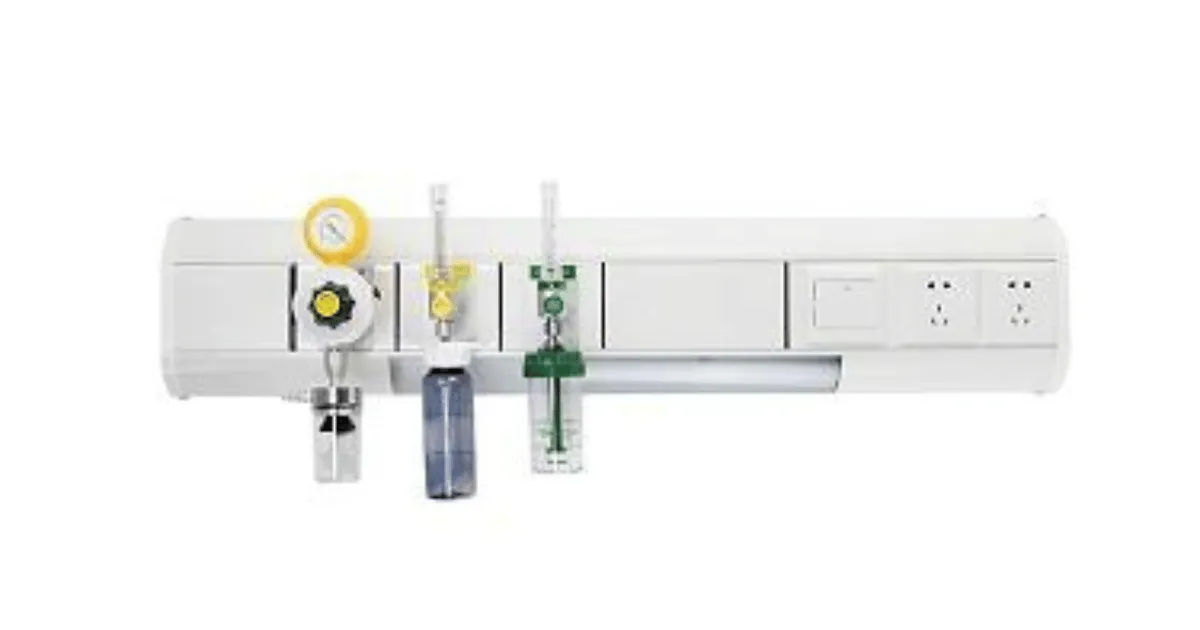
A bed head unit is not just a decorative panel installed behind a patient bed; it is a functional medical support system that combines electrical outlets, lighting, oxygen supply points, nurse call systems, and other essential connections in one organized location.
Choosing the right bed head unit requires careful comparison because prices vary depending on materials, design, features, manufacturer, and installation requirements. A low-cost option may not always provide long-term value, while a premium unit may include advanced features that improve patient care and hospital efficiency.
This guide explains how to compare prices, what factors influence costs, and how healthcare providers can make an informed purchasing decision.
Hospital Bed Head Units
A hospital bed head unit, also known as a bed head panel or medical headwall system, is installed behind hospital beds to provide easy access to medical utilities. It helps healthcare professionals manage essential services without requiring separate equipment around the patient area.
A typical bed head unit may include:
- Oxygen and medical gas outlets
- Vacuum and suction connections
- Electrical sockets
- Reading lights
- Examination lights
- Nurse call buttons
- Data and communication ports
- Monitoring equipment connections
These features help create a cleaner, safer, and more organized patient environment.
Before comparing the hospital bed head unit price in Pakistan, buyers should first understand the type of unit required for their healthcare facility.
Types of Hospital Bed Head Units Available in Pakistan
Different hospitals have different requirements. The type of bed head unit selected directly affects the overall cost.
Horizontal Bed Head Units
Horizontal bed head units are among the most common options used in hospitals. They are installed along the wall behind the patient bed and provide multiple medical service points in one line.
They are suitable for:
- General wards
- Private rooms
- Patient recovery areas
Their pricing depends on length, material quality, and included features.
Vertical Bed Head Units
Vertical units are designed for areas where wall space is limited. They extend upward from the bed area and provide necessary connections in a compact design.
They are often used in:
- Intensive care units
- Emergency rooms
- Specialized treatment areas
Because they may include advanced medical connections, their cost can be higher compared to standard models.
ICU Bed Head Units
ICU bed head units require more advanced features because critical care environments need continuous monitoring and multiple medical connections.
They may include:
- Multiple gas outlets
- Additional electrical points
- Monitoring support
- Stronger construction materials
- Customized layouts
When comparing the hospital bed head unit price in Pakistan, ICU models usually require a larger budget due to their specialized functionality.
Factors That Affect Hospital Bed Head Unit Prices
Several factors influence the final cost of a bed head unit. Understanding these elements helps buyers compare different suppliers more effectively.
Material Quality
The material used in manufacturing plays a major role in determining price.
Common materials include:
- Aluminum profiles
- Stainless steel
- Powder-coated metal
- ABS plastic panels
High-quality materials usually offer better durability, easier cleaning, and longer service life. Hospitals should consider maintenance costs rather than focusing only on the initial purchase price.
Number of Medical Outlets
The number of required outlets affects the total cost. A basic patient room may need fewer connections, while an ICU setup requires multiple outlets for medical gases and electrical equipment.
Additional outlets may include:
- Oxygen supply
- Nitrous oxide
- Compressed air
- Vacuum
- Electrical sockets
- Communication ports
A customized unit with more connections will naturally have a higher price.
Design and Customization
Many hospitals require customized designs based on room layouts and medical requirements.
Customization options may include:
- Different colors
- Specific dimensions
- Additional lighting systems
- Extra storage features
- Special outlet arrangements
Customized units usually cost more than standard models because they require additional manufacturing work.
Brand and Manufacturer Reputation
The manufacturer’s reputation can influence pricing. Established suppliers often charge more because they provide:
- Better quality control
- Product warranties
- Technical support
- Reliable installation services
However, choosing a trusted supplier can reduce future repair and replacement costs.
Installation Requirements
The total investment is not limited to the product price. Installation costs should also be considered.
Installation expenses may depend on:
- Wall structure
- Existing medical gas systems
- Electrical requirements
- Labor charges
- Testing procedures
A complete price comparison should include both equipment and installation costs.
How to Compare Hospital Bed Head Unit Prices Effectively
Comparing prices requires more than checking numbers from different suppliers. Buyers should evaluate quality, features, and long-term value.
Compare Features Instead of Only Prices
A cheaper bed head unit may not include important features required for hospital operations.
When comparing options, check:
- Number of outlets
- Lighting options
- Safety features
- Material strength
- Cleaning convenience
- Warranty coverage
A slightly expensive unit with better durability may provide greater value over time.
Request Detailed Quotations
Healthcare facilities should request detailed quotations from multiple suppliers.
A proper quotation should include:
- Product specifications
- Material details
- Included accessories
- Installation charges
- Delivery timeline
- Warranty information
This makes it easier to compare different offers fairly.
Evaluate Maintenance Requirements
Hospitals operate continuously, so equipment reliability is extremely important.
A good bed head unit should be:
- Easy to clean
- Resistant to damage
- Simple to repair
- Supported by available spare parts
A lower purchase cost may become expensive if maintenance requirements are high.
Consider Hospital Requirements
Every healthcare facility has different needs. A small clinic may not require the same features as a large hospital.
Before purchasing, consider:
- Patient room type
- Number of beds
- Medical services provided
- Future expansion plans
Selecting the correct model prevents unnecessary spending.
Importance of Quality When Purchasing Bed Head Units
Medical equipment directly affects patient safety and healthcare efficiency. Therefore, quality should always be a priority.
A reliable bed head unit provides:
- Better organization of medical connections
- Reduced risk of cable confusion
- Improved healthcare worker efficiency
- Enhanced patient comfort
Poor-quality units may create problems such as damaged fittings, difficult maintenance, and safety concerns.
Healthcare providers should choose products that meet professional medical standards and are suitable for long-term hospital use.
Common Mistakes When Comparing Hospital Bed Head Unit Prices
Many buyers make mistakes by focusing only on the cheapest available option.
Choosing Based Only on Low Cost
The cheapest option may not provide the required durability or features. Hospitals should evaluate overall value instead of only the purchase amount.
Ignoring Installation Costs
Some suppliers provide attractive product prices but charge separately for installation and accessories. Buyers should always ask for complete pricing details.
Not Checking Product Specifications
Different bed head units may look similar but have major differences in functionality. Always review technical specifications before making a decision.
Selecting the Wrong Type of Unit
Installing a basic unit in a critical care area can create operational problems. The selected unit should match the medical environment.
Benefits of Investing in a Quality Bed Head Unit
A high-quality bed head unit provides several long-term advantages.
Improved Patient Care
Organized medical connections allow healthcare professionals to provide faster and safer treatment.
Better Hospital Appearance
Modern bed head units create a cleaner and more professional patient environment.
Increased Workplace Efficiency
Doctors and nurses can access required utilities quickly without managing multiple separate devices.
Long-Term Cost Savings
Durable equipment reduces replacement frequency and lowers maintenance expenses.
Questions to Ask Suppliers Before Buying
Before finalizing a purchase, healthcare providers should ask suppliers important questions.
Some useful questions include:
- What materials are used in manufacturing?
- Which medical outlets are included?
- Is installation included in the price?
- What warranty period is offered?
- Are spare parts available locally?
- Can the unit be customized?
These questions help buyers avoid unexpected costs and select the right product.
Future Trends in Hospital Bed Head Units
Healthcare technology continues to improve, and modern bed head units are becoming more advanced.
Future developments may include:
- Smart monitoring integration
- Digital control systems
- Improved energy efficiency
- Advanced patient communication systems
Hospitals investing in modern equipment should consider future requirements to ensure their systems remain useful for years.
Conclusion
Comparing the hospital bed head unit price in Pakistan requires careful evaluation of multiple factors, including design, materials, features, installation costs, and supplier reliability. The cheapest option is not always the best choice, especially when medical equipment plays an important role in patient safety and hospital operations.
Healthcare facilities should focus on quality, durability, and functionality when selecting a bed head unit. By comparing detailed quotations, checking specifications, and understanding their specific requirements, hospitals can make better purchasing decisions.
A well-designed bed head unit improves organization, supports medical staff, enhances patient comfort, and provides long-term value. Investing in the right system ensures that healthcare facilities can deliver efficient and reliable services while maintaining professional standards.