Urban travel is changing faster today than at any other time in history. Cities are becoming more crowded, technology is reshaping transportation, and people are rethinking how they move from one place to another.
In this evolving landscape, services like dfw car service are becoming part of the broader discussion about convenience, comfort, and modern mobility.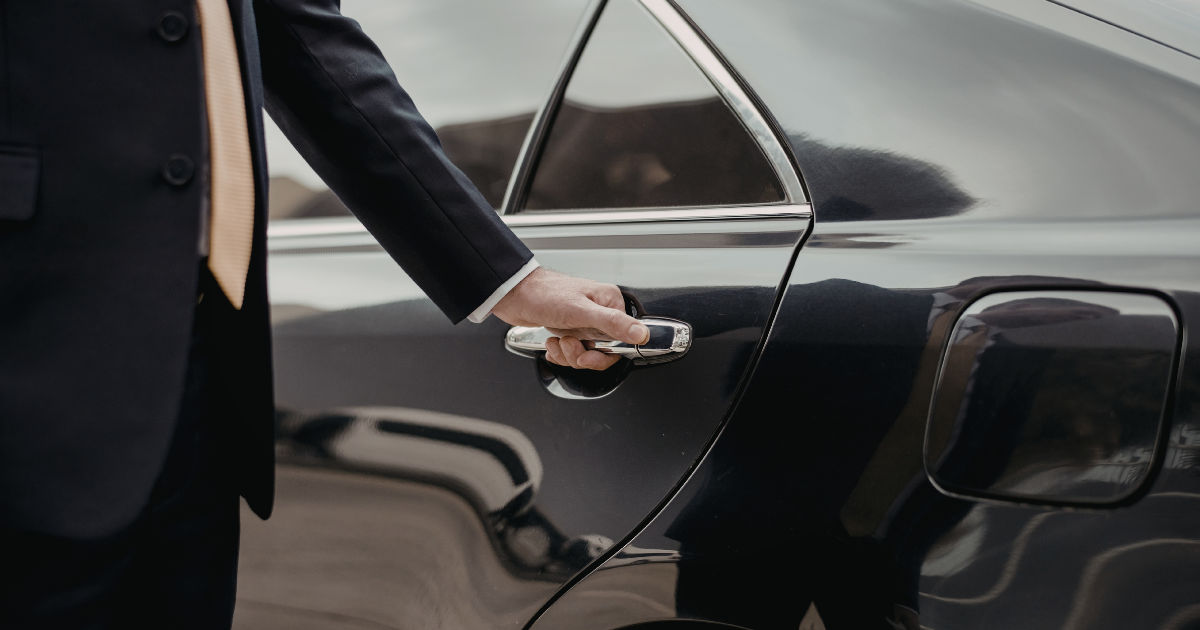
The role of dfw car service is no longer limited to traditional transportation—it now reflects how people expect seamless, on-demand, and reliable travel experiences.
As cities grow, dfw car service also represents how premium mobility options are adapting to changing commuter expectations. Many travelers now compare public transit, ride apps, and dfw car service when planning their daily routes.
Even urban planners observe how dfw car service fits into the shift toward flexible and tech-driven transportation ecosystems. This article explores how travel behavior is evolving in cities and why services like dfw car service continue to play a relevant role in this transformation.
Urban Mobility Is Becoming More Flexible
One of the biggest changes in cities is the shift from fixed transportation habits to flexible mobility choices. People no longer rely on a single mode of transport. Instead, they combine walking, cycling, buses, trains, and private rides depending on time and cost.
In this flexible system, dfw car service is often chosen for convenience during peak hours or when public transport becomes unreliable. Many commuters prefer dfw car service when they need predictable timing and comfort. In business districts, professionals frequently switch between metro systems and dfw car service depending on their schedules. This flexibility reflects how modern travel is no longer one-size-fits-all.
Another key reason behind this shift is digital integration. Mobile apps now allow users to compare travel times, prices, and routes instantly. As a result, dfw car service has become a competitive option for travelers seeking efficiency. The availability of dfw car service alongside public options gives people more control over their journeys.
Urban flexibility also means reduced dependency on car ownership. Instead of owning vehicles, people are increasingly choosing on-demand solutions like dfw car service for specific needs. This shift reduces parking stress and improves traffic flow in many cities.
The Evolution of Public Transportation
Public transportation remains the backbone of urban travel, but its role is evolving. Cities are investing in cleaner, faster, and more connected transit systems. However, commuters are now expecting better integration between public transit and private options like dfw car service.
Many commuters use buses or trains for long distances but rely on dfw car service for first-mile and last-mile connectivity. This combination makes travel smoother and more efficient. For example, someone may take a metro to downtown and then use dfw car service to reach their final destination.
Governments are also improving transit infrastructure, but gaps still exist in timing, coverage, and comfort. This is where dfw car service becomes an important alternative. It fills in the gaps where public transport falls short.
Additionally, commuters appreciate the reliability of dfw car service during off-peak hours when buses and trains run less frequently. The combination of public transit and dfw car service creates a hybrid travel ecosystem that defines modern urban mobility.
Rise of Ride-Hailing and On-Demand Services
Ride-hailing apps have transformed travel behavior in cities. Instead of waiting for taxis or buses, people can now book rides instantly. In this competitive environment, dfw car service stands out as a premium and reliable option.
The convenience of on-demand booking has changed expectations. Travelers now expect fast pickup, transparent pricing, and professional service. dfw car service often meets these expectations by offering scheduled rides and consistent service quality.
For business travelers, dfw car service is especially useful because it ensures punctuality and comfort. Many professionals prefer dfw car service over standard ride-hailing during meetings or airport transfers. This preference highlights a growing demand for dependable mobility solutions.
Another important trend is safety. Riders are becoming more conscious about driver background checks and vehicle standards. In this regard, dfw car service is often viewed as a more controlled and professional option compared to random ride-sharing.
The expansion of digital platforms has also made it easier to book dfw car service in advance. This planned approach contrasts with spontaneous ride-hailing, showing how travel behavior is becoming more intentional.
Micro-Mobility and Short-Distance Travel
Cities are seeing a rise in micro-mobility options such as e-scooters, bicycles, and shared electric vehicles. These options are reshaping short-distance travel behavior.
People now prefer quick, eco-friendly rides for short trips instead of cars. However, for longer or more comfortable travel, dfw car service remains a strong choice. Many users combine micro-mobility with dfw car service to complete their journeys.
For example, a commuter might ride an e-scooter to a transit hub and then use dfw car service to reach a meeting. This mixed approach highlights the flexibility of modern travel behavior.
Micro-mobility is also helping reduce congestion in dense city areas. But when weather conditions or distance become factors, dfw car service becomes the preferred solution. Travelers often switch to dfw car service when convenience and comfort matter more than cost.
The combination of micro-mobility and services like dfw car service shows how layered urban transportation has become.
Sustainability and Green Travel Choices
Environmental concerns are strongly influencing travel behavior in cities. People are becoming more aware of carbon emissions and are choosing greener options.
Public transportation and cycling are often promoted as sustainable choices, but private services are also adapting. Many modern fleets associated with dfw car service are incorporating hybrid and electric vehicles to reduce emissions.
Eco-conscious travelers sometimes choose dfw car service because of newer fuel-efficient vehicles and better route optimization. When compared with older private transport systems, dfw car service offers improved environmental performance in many cases.
Cities are also introducing green policies that encourage shared rides and reduced congestion. In this evolving framework, dfw car service contributes by offering efficient trip planning and reduced idle time.
Sustainability is no longer optional—it is a key factor shaping how people choose transportation. Even premium services like dfw car service are adapting to meet these expectations.
Smart Cities and Technology-Driven Mobility
Technology is at the center of modern urban travel. Smart city systems now use data, sensors, and AI to manage traffic and improve transportation efficiency.
Within this system, dfw car service integrates with digital platforms to provide real-time updates, route optimization, and predictive travel times. This improves reliability for users who depend on dfw car service for time-sensitive trips.
Smart traffic systems also reduce congestion by adjusting signal timing and suggesting alternative routes. As a result, dfw car service drivers can navigate cities more efficiently.
Mobile apps have made booking and tracking easier than ever. Travelers using dfw car service can now monitor their ride status, estimated arrival times, and fare details in real time.
AI-based systems also help forecast demand, allowing dfw car service providers to allocate vehicles more effectively. This improves user satisfaction and reduces waiting times.
Changing Commuter Behavior Patterns
Commuter behavior in cities is no longer predictable. Flexible work hours, hybrid offices, and digital lifestyles have changed when and how people travel.
Many commuters now avoid rush hours and prefer traveling during off-peak times. During busy periods, they often rely on dfw car service for faster and more comfortable journeys.
Work-from-home culture has also reduced daily commuting frequency. However, when people do travel, they prefer reliable options like dfw car service that save time and reduce stress.
Social habits are also influencing travel decisions. People going out for events, shopping, or dining often choose dfw car service for convenience and safety.
This shift shows that travel is no longer routine—it is situational. Depending on the need, commuters may switch between walking, transit, and dfw car service multiple times in a week.
Impact of Remote Work on Urban Travel
Remote work has significantly reduced daily commuting in many cities. However, it has not eliminated travel—it has changed its purpose.
Instead of daily office travel, people now move for meetings, networking, and social activities. In these cases, dfw car service plays a key role in providing flexible transportation.
Business professionals often book dfw car service for occasional office visits rather than daily commutes. This shift has changed demand patterns in urban transportation.
Remote workers also tend to travel during flexible hours, making dfw car service a practical choice for non-peak mobility.
As cities adapt to hybrid work models, transportation systems are also evolving to support less frequent but more purposeful travel.
Safety, Comfort, and Convenience Trends
Safety and comfort are becoming top priorities for urban travelers. People are more conscious about hygiene, driver professionalism, and vehicle quality.
In this context, dfw car service is often preferred because it offers structured service standards and reliable experiences. Many users choose dfw car service for airport transfers, business meetings, and late-night travel due to safety concerns.
Comfort is also a major factor. Travelers increasingly value quiet, clean, and private spaces, which dfw car service provides compared to crowded transit systems.
Convenience is another key driver. The ability to schedule rides in advance makes dfw car service attractive for planning-based travel.
As urban life becomes more fast-paced, the demand for safe and comfortable transport continues to grow.
Conclusion: The Future of Urban Travel
Urban travel behavior is evolving toward flexibility, technology integration, and personalized mobility. People are no longer tied to one mode of transport but instead choose based on convenience, cost, and time.
In this changing landscape, dfw car service represents how private mobility services are adapting to modern expectations. It plays a role in hybrid travel systems, combining with public transit, micro-mobility, and digital platforms.
The future of cities will likely feature even more integration between different transport modes, with services like dfw car service continuing to provide reliable and adaptable solutions. As technology advances and sustainability becomes more important, dfw car service will continue evolving alongside urban needs.
Ultimately, the transformation of travel behavior reflects a broader shift in how people live, work, and move in cities. And within this transformation, dfw car service remains a consistent example of how transportation adapts to human needs