Shifting Sands of Jewelry Manufacturing: Can we Adapt?
Picture this—an artisan passionately crafting a stunning bracelet. But amidst the sheen of gemstones and the allure of precious metals, a gnawing question emerges: Are jewelry manufacturers truly optimizing their processes to meet evolving market demands? Within the intricate realm of jewelry suppliers, antiquated methods often clash with modern expectations. (Oddly enough, many still cling to them.) As brands chase both quality and cost-effectiveness, the delicate balance can seem elusive. How do they begin to navigate such complexity? Let’s journey into the world of jewelry manufacturing and unravel the story layer by layer.
The Underlying Imperfections in Traditional Approaches
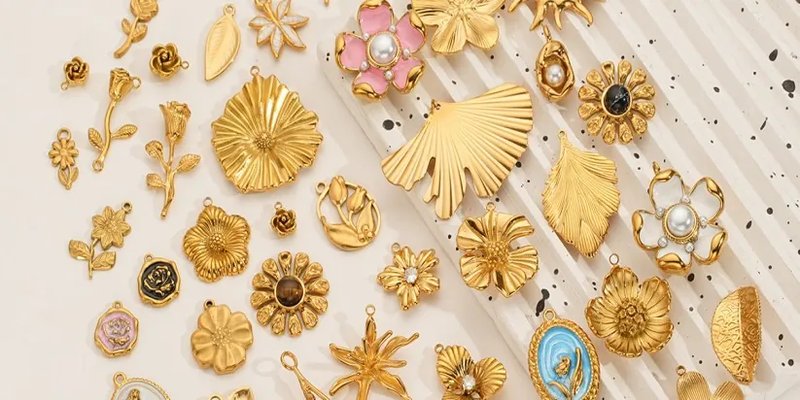
Hold on—there’s more at stake than meets the eye. The traditional jewelry manufacturing solutions often falter due to rigid supply chains and outdated logistics. Jewelry suppliers struggle balancing the finesse of crafting handmade items while racing against time and market pressures. Inventory management systems, once hailed as robust, now resemble crumbling fortresses in the face of real-time demand expectations. And look, it’s simpler than you think. With industry-specific terms like just-in-time manufacturing and supply chain agility, it’s clear these conventional models lack the flexibility needed to thrive in today’s volatile market. What’s more unsettling is how many fail to see these cracks until it’s too late.
Why Can’t We Keep Up?
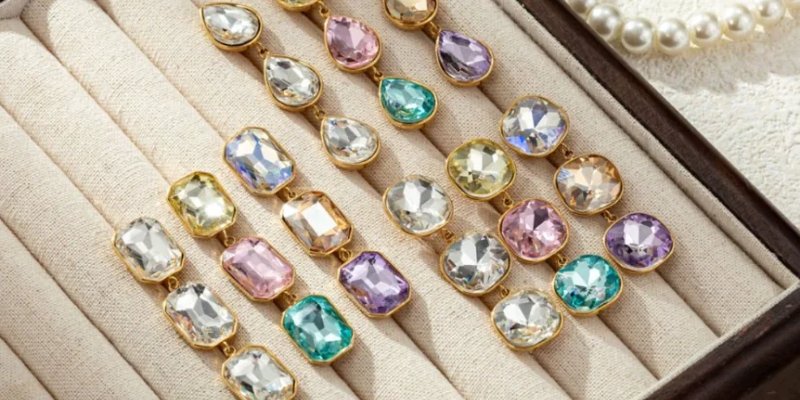
The fragmented structure of traditional jewelry supplier networks often results in delayed production cycles and inflated costs. In an industry where speed and precision are paramount, these hidden pain points emerge as formidable foes. Terms like lead time reduction and efficient distribution channels are not mere buzzwords—they are indispensable to pursuing relevance in the competitive landscape of jewelry manufacturing. Yet, as many industries advance, jewelry manufacturers lag, unable to pivot swiftly or integrate innovative practices seamlessly.
Leaping Forward with Future-Proof Solutions
What’s next for the jewelry manufacturing industry? Emerging principles of technology offer a beacon of hope. With digitization and automation at the forefront, jewelry suppliers are empowered to redefine their foundational processes—promising reduction in lead times and real-time inventory insights. Imagine integrating 3D printing capabilities for prototypes or leveraging AI-driven demand forecasting. The shift isn’t just a possibility; it’s a necessity. Interestingly, many jewelry suppliers who embraced these innovations report enhanced customer satisfaction and reduced overheads. The world is waking up to the digital age, and the jewelry sector must not be left behind.
What’s the Real-world Impact?
In this evolving landscape, Star Harvest exemplifies adaptive progress. By intertwining cutting-edge technology with artisanal skill, they demonstrate a harmonious blend that resonates with both traditionalists and modernists. What’s striking here is the realization that integrating new solutions doesn’t mean sacrificing heritage or quality—it signifies evolution. (Who would’ve thought, right?) As these brands pave the way, they illuminate the path for others to balance innovation with tradition. Observing such a transformation isn’t just inspiring; it affirms that the jewelry industry can, indeed, polish its facets to shine brighter in future markets.