Arabic appetizers are known for their bold flavors, fresh ingredients, and healthy combinations. One of the most important elements in many of these dishes is fresh herbs. In fact, Arabic appetizers often rely on herbs not just for garnish but as a core ingredient that defines their taste, aroma, and nutrition profile.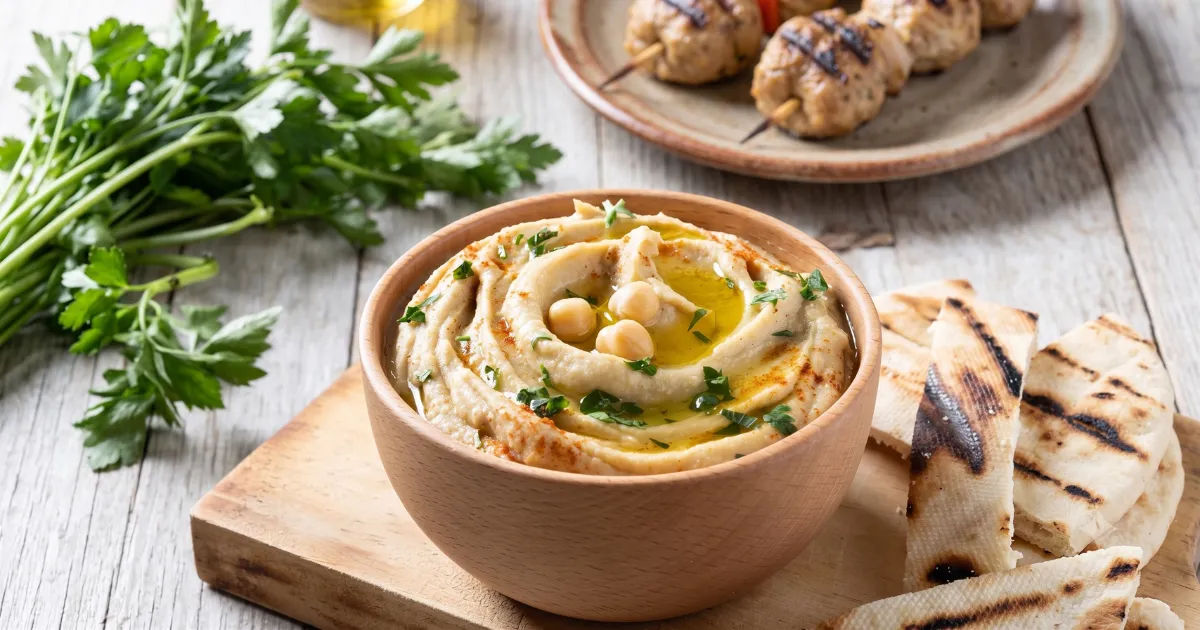
In this guide, we will explore which dishes use fresh herbs, why they matter, and how they shape traditional recipes across the Middle East. By the end, you will have a clear understanding of how Arabic appetizers use herbs like parsley, mint, cilantro, dill, and more to create unforgettable flavors.
The Role of Fresh Herbs in Arabic Appetizers
Fresh herbs are at the heart of many Arabic appetizers because they bring brightness, freshness, and balance to rich ingredients like olive oil, chickpeas, yogurt, and bread.
Common herbs used include:
- Parsley (most common)
- Mint (fresh and dried)
- Cilantro (coriander leaves)
- Dill
- Basil (less traditional but used in modern variations)
These herbs are not just flavor enhancers. In Arabic appetizers, they often act as the main ingredient, especially in salads and dips.
Fresh herbs also:
- Improve digestion
- Add vitamins and minerals
- Reduce heaviness in fried foods
- Enhance aroma and visual appeal
Because of this, many Arabic appetizers feel light and refreshing even when they are rich in flavor.
Tabbouleh: The Herb-Heavy Classic
Tabbouleh is one of the most iconic Arabic appetizers that uses fresh herbs in abundance.
Key Ingredients:
- Finely chopped parsley (main ingredient)
- Mint leaves
- Bulgur wheat
- Tomatoes
- Olive oil and lemon juice
Unlike many salads where greens are optional, tabbouleh is built around herbs. In fact, parsley is often used in much larger quantity than bulgur.
Why Herbs Matter in Tabbouleh
The success of tabbouleh depends entirely on the freshness of parsley and mint. These herbs create:
- A bright citrus-like flavor
- A crunchy yet soft texture
- A refreshing balance to olive oil
Without herbs, tabbouleh would not exist as a recognizable dish. It is one of the best examples of how Arabic appetizers celebrate fresh greenery as the star ingredient.
Fattoush: A Crispy Herb-Infused Salad
Fattoush is another popular dish among Arabic appetizers that uses fresh herbs generously.
Key Ingredients:
- Romaine lettuce
- Parsley
- Mint
- Radishes
- Tomatoes
- Fried or toasted pita bread
- Sumac dressing
Herbal Contribution
Fresh herbs in fattoush provide:
- A cooling contrast to crispy pita
- A tangy and aromatic flavor profile
- A refreshing balance to acidic sumac dressing
Mint especially adds a cooling effect, making fattoush a perfect summer dish. Among Arabic appetizers, fattoush stands out for combining crunchy texture with herb freshness.
Falafel: Herb-Driven Fried Goodness
Falafel is one of the most famous Arabic appetizers worldwide, and fresh herbs are essential to its flavor.
Key Ingredients:
- Chickpeas or fava beans
- Parsley
- Cilantro
- Garlic
- Onion
- Spices like cumin and coriander
Why Herbs Are Essential
Unlike many fried foods, falafel is not heavy or bland because of its herb content. Parsley and cilantro give it:
- A deep green color inside
- A fresh, earthy taste
- A light, balanced flavor even after frying
Without herbs, falafel would lose its identity completely. This is why it is considered one of the most herb-rich Arabic appetizers in Middle Eastern cuisine.
Hummus with Herb Variations
Traditional hummus is made from chickpeas, tahini, lemon juice, and garlic. While not always herb-heavy, many modern versions of Arabic appetizers like hummus include fresh herbs.
Common Herb Additions:
- Parsley
- Cilantro
- Chopped mint
- Chives in fusion versions
Herb Benefits in Hummus
Fresh herbs added to hummus provide:
- A fresh aroma
- A brighter flavor profile
- A visually appealing green garnish
Some regions even blend herbs directly into hummus, creating green hummus variations that are now popular among modern Arabic appetizers.
Labneh with Herbs and Olive Oil
Labneh is a thick strained yogurt often served as a dip or spread. It is one of the most versatile Arabic appetizers when paired with fresh herbs.
Key Ingredients:
- Labneh (strained yogurt)
- Olive oil
- Fresh mint or thyme
- Za’atar mix (includes herbs like oregano and thyme)
Herbal Importance
Fresh herbs in labneh:
- Add aromatic depth
- Balance the tanginess of yogurt
- Enhance presentation and taste
Mint and thyme are especially popular, giving labneh a refreshing and slightly earthy flavor. Among Arabic appetizers, labneh is one of the easiest dishes to customize with herbs.
Sambousek with Herb Fillings
Sambousek are small stuffed pastries often filled with cheese, meat, or vegetables. Herbs are frequently added inside the filling.
Common Herbs Used:
- Parsley
- Cilantro
- Dill
- Green onions
Why Herbs Matter
In sambousek, herbs:
- Reduce heaviness of cheese or meat
- Add freshness to fried pastry
- Enhance aroma and taste
Many households consider sambousek incomplete without fresh herbs, making it a key example of herb-rich Arabic appetizers served during Ramadan and celebrations.
Muhammarah with Herbal Notes
Muhammara is a roasted red pepper and walnut dip originating from the Levant region. While not always herb-heavy, herbs still play a subtle role in many versions of Arabic appetizers like this one.
Ingredients:
- Roasted red peppers
- Walnuts
- Olive oil
- Garlic
- Bread crumbs
- Optional herbs like parsley or mint
Herb Function
Fresh herbs in muhammara:
- Add freshness to a rich, smoky dip
- Lighten the dense texture
- Improve presentation
Even a small amount of herbs can transform the flavor balance in this dip.
Stuffed Grape Leaves (Warak Enab)
Stuffed grape leaves are one of the most traditional Arabic appetizers, and herbs are a major component of the filling.
Ingredients:
- Grape leaves
- Rice
- Parsley
- Dill
- Mint
- Tomatoes and spices
Importance of Herbs
Herbs in stuffed grape leaves:
- Provide fragrance during cooking
- Balance the starchiness of rice
- Add freshness to a slow-cooked dish
Without herbs, this dish would lose its signature aroma and flavor complexity. It is one of the most herb-dependent Arabic appetizers in traditional cooking.
Herbed Yogurt Dips
Yogurt-based dips are extremely common across Middle Eastern cuisine and form an important category of Arabic appetizers.
Popular Herb Additions:
- Mint
- Dill
- Cilantro
- Parsley
Why They Work
Herbs mixed into yogurt dips:
- Create cooling sauces for spicy foods
- Improve digestion
- Add a refreshing contrast to grilled dishes
These dips are often served with bread, vegetables, or fried appetizers, making them a staple in Arabic appetizers culture.
Herb Usage Across Regional Arabic Appetizers
Different regions use herbs in slightly different ways in Arabic appetizers:
Levant Region (Lebanon, Syria, Palestine)
- Heavy use of parsley and mint
- Herb-based salads dominate
Gulf Region
- Cilantro is more common
- Herbs often used in meat fillings
North Africa
- Parsley and coriander used with spices
- Herbs often combined with stronger seasonings
Despite differences, herbs remain a unifying feature of Arabic appetizers across all regions.
Why Fresh Herbs Are So Important
Fresh herbs are more than just ingredients in Arabic appetizers. They define the identity of many dishes.
Key Benefits:
- Enhance flavor without extra calories
- Provide natural color
- Improve digestion
- Add nutritional value
- Balance heavy ingredients like oil and meat
This is why Arabic appetizers feel light, fresh, and healthy even when they are rich in texture and flavor.
Cooking Tips for Using Fresh Herbs
To get the best results in Arabic appetizers, proper handling of herbs is important.
Tips:
- Always use fresh, not dried herbs for salads
- Chop herbs finely for better flavor distribution
- Add herbs at the last stage when possible
- Store herbs in damp paper towels in the fridge
- Mix herbs gently to avoid bruising
These simple techniques preserve flavor and aroma in Arabic appetizers.
Common Mistakes to Avoid
When preparing Arabic appetizers, people sometimes make mistakes with herbs:
- Using too little herbs in herb-based dishes
- Overcooking herbs in hot dishes
- Using wilted or old herbs
- Not balancing herbs with lemon or olive oil
Avoiding these mistakes ensures authentic taste in Arabic appetizers.
Conclusion
Fresh herbs are the backbone of many traditional and modern Arabic appetizers. From tabbouleh and fattoush to falafel and stuffed grape leaves, herbs define flavor, texture, and freshness in Middle Eastern cuisine.
What makes Arabic appetizers truly special is their ability to transform simple ingredients into vibrant dishes using parsley, mint, cilantro, and dill. These herbs are not just additions—they are essential components that shape identity and tradition.
Whether you are exploring classic recipes or modern variations, understanding the role of herbs will help you appreciate the depth and beauty of Arabic appetizers even more.
In every bite, herbs bring life, balance, and freshness that make these dishes timeless across cultures and generations.