Creating a successful t shirt design involves more than choosing attractive graphics, colors, and text. Before printing your design on an actual shirt, it is important to see how it will look on the finished product. A mockup provides a realistic preview that helps you identify problems, make improvements, and feel confident about the final result.
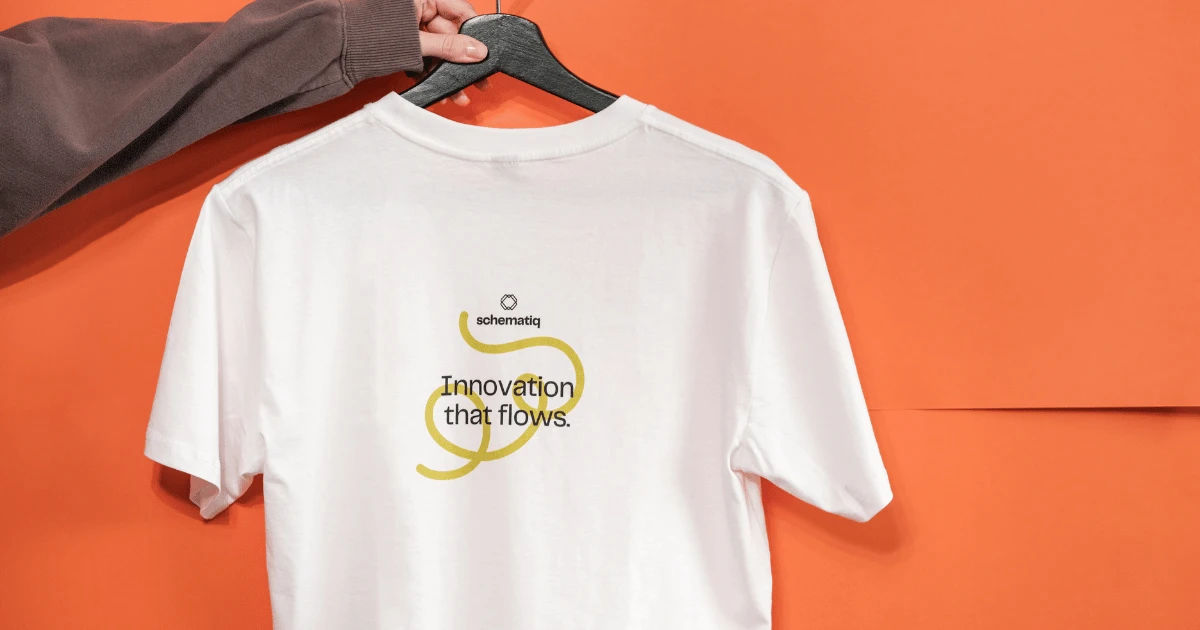
Whether you are designing shirts for a clothing brand, business, school event, sports team, personal project, or online store, a mockup can save time and money. Instead of discovering an issue after several shirts have already been printed, you can review the design digitally and make changes before production.
This guide explains why previewing a t-shirt mockup is an important part of the design process and how it can improve the quality of your final product.
What Is a T-Shirt Design Mockup?
A t shirt design mockup is a digital representation of how your artwork will appear on an actual shirt. It usually shows the design placed on a realistic shirt image or template.
Mockups can display different shirt colors, styles, sizes, and angles. Some even show realistic fabric textures, folds, shadows, and lighting.
The purpose is simple: you can visualize the finished shirt without physically printing it.
For example, a graphic may look perfect on a computer screen when placed against a plain background. However, when it is placed on a curved shirt surface, you may notice that the artwork is too large, too small, too high, or poorly positioned.
A mockup helps reveal these issues before production.
Why Is Previewing a Mockup Important?
Previewing a mockup gives you an opportunity to evaluate your work from a practical perspective.
A flat design file does not always show how the final product will look. A shirt has seams, folds, curves, and different proportions. The artwork needs to work with all these physical characteristics.
A mockup bridges the gap between a digital concept and a physical product.
It Shows the Realistic Appearance
One of the biggest advantages of using a mockup is that it gives you a realistic idea of the finished shirt.
You can see whether the artwork looks balanced on the garment. You can also examine how the colors and proportions work together.
This is especially useful when the design contains several elements.
A graphic might look attractive by itself but appear crowded when placed on a shirt. A mockup makes this easier to recognize.
It Helps You Check Design Placement
Placement is one of the most important factors in shirt design.
A graphic positioned too high can look awkward. If it is too low, it may not be visible when the wearer is sitting or wearing a jacket.
Similarly, a design that is too close to the sides may look unbalanced.
A mockup allows you to experiment with placement until everything looks natural.
You can compare different positions and choose the one that provides the strongest visual impact.
How Mockups Help Prevent Costly Mistakes
Printing physical shirts can be expensive, particularly when you are ordering a large quantity.
If you discover a problem after production, correcting it may require another printing order.
Previewing a mockup reduces this risk.
Catching Size Problems
Design size can dramatically affect the appearance of a shirt.
A logo that is too small may become difficult to notice. A large illustration may dominate the entire front of the garment.
A mockup lets you compare several sizes before choosing the final version.
This is much easier than printing multiple samples simply to determine the correct scale.
Finding Alignment Issues
Alignment problems are another common issue.
Text, logos, and graphics should usually have a clear relationship with the center of the shirt.
A design that is slightly off-center may not look wrong on a computer canvas, especially if you are focused on the artwork itself.
Once the design appears on a realistic shirt, however, the problem can become obvious.
Previewing helps you make accurate adjustments.
Mockups Improve Color Decisions
Color can look different depending on the background and garment.
A particular color combination may work beautifully on a white shirt but lose contrast on a gray, navy, or black shirt.
A mockup allows you to test your design against different shirt colors.
Checking Contrast
Contrast determines how easily people can see your artwork.
For example, dark lettering on a black shirt may be difficult to read. Similarly, light artwork on a very pale shirt may lack visual strength.
By testing different garment colors in a mockup, you can quickly determine whether the design remains readable.
Testing Brand Colors
Businesses and clothing brands often use specific colors as part of their identity.
A mockup lets you see whether those colors remain effective when applied to fabric.
You can adjust shades, outlines, shadows, or backgrounds before sending the artwork to a printer.
This creates a more consistent and professional result.
Mockups Help Evaluate Typography
Text-based shirts require special attention to typography.
The font needs to be readable, attractive, and appropriate for the overall concept.
A font that looks excellent on a design canvas might not work as well when printed on fabric.
Checking Text Size
Small text can become difficult to read, especially when viewed from a distance.
A mockup helps you determine whether your message is large enough for its intended audience.
If the shirt is promotional merchandise, readability may be particularly important.
People should be able to understand the message without having to stand directly next to the wearer.
Reviewing Font Combinations
Using multiple fonts can make a design more interesting, but too many typefaces can create confusion.
A mockup allows you to evaluate the complete composition.
You can determine whether the headline, supporting text, and decorative elements have a clear visual hierarchy.
Mockups Are Useful for Different Shirt Styles
Not every shirt has the same shape.
You may be working with a classic crew neck, oversized shirt, fitted shirt, polo, hoodie, or another garment.
The same artwork can look different depending on the garment.
Understanding Garment Proportions
A design that looks balanced on a standard shirt might appear too small on an oversized garment.
Likewise, a design that works well on a broad front surface may need adjustment for a more fitted style.
Mockups allow you to test the artwork on the exact type of garment you intend to produce.
This improves consistency and reduces uncertainty.
Mockups Make Client Approval Easier
If you create shirts for customers, clients, organizations, or businesses, getting approval before printing is essential.
Instead of sending a flat artwork file, you can provide a realistic preview.
The client can see what the finished shirt is expected to look like.
Improving Communication
A mockup makes communication easier because everyone can discuss the same visual representation.
You can ask questions such as:
-
Is the logo large enough?
-
Should the artwork move higher?
-
Would another shirt color work better?
-
Is the text easy to read?
-
Does the design match the brand?
These questions are much easier to answer when people can see the design on an actual-looking garment.
Reducing Revision Problems
Clients may approve a design based on a flat image and later become surprised by its appearance on a shirt.
A mockup gives them a more realistic expectation.
Once the client approves the mockup, there is less chance of disagreement about placement, size, or general appearance.
Mockups Are Valuable for Online Stores
If you sell shirts online, customers cannot physically examine your products before purchasing.
High-quality mockups help customers understand what they are buying.
A realistic product presentation can make an online listing appear more professional.
Creating Better Product Images
Online shoppers usually rely heavily on product photography.
A clean mockup can show the front of the shirt, the artwork, and the garment style.
You can also create multiple mockup images showing different colors or angles.
This gives customers more information before they place an order.
Building Customer Confidence
Professional-looking product images can make a store appear more trustworthy.
When customers can clearly see the expected product, they may feel more comfortable making a purchase.
This is particularly important for new brands that are still building their reputation.
Mockups Help With Marketing
A mockup is not only useful before printing. It can also become a marketing asset.
You can use mockup images for social media posts, advertisements, websites, product listings, and promotional campaigns.
For a new clothing collection, mockups can help you present several concepts before manufacturing the entire collection.
This can also help you determine which designs attract the most attention.
Mockups Support Better Design Decisions
Designing a shirt often involves experimentation.
You may have several ideas for placement, colors, graphics, and text.
Instead of guessing which combination will work best, you can create multiple mockups and compare them.
Comparing Multiple Versions
Suppose you have three versions of the same artwork.
One has a large central graphic. Another uses a smaller logo. The third combines the logo with text.
Seeing all three versions on realistic shirts makes comparison easier.
You can evaluate them based on balance, readability, style, and overall appeal.
This process encourages objective decision-making.
Mockups Save Time During the Design Process
At first, creating a mockup may seem like an additional step.
In reality, it can save significant time.
Without a preview, you may repeatedly modify artwork after receiving feedback from clients or printers.
With a mockup, many problems can be identified before the design reaches production.
This creates a smoother workflow from concept to finished product.
What Should You Check in a Mockup?
Before approving your final version, examine several important details.
Check the Design Size
Make sure the artwork is neither too large nor too small for the garment.
Consider the intended audience and purpose of the shirt.
Check the Position
Look at the vertical and horizontal placement.
Make sure the artwork is properly centered and positioned where people naturally expect it to appear.
Check Readability
If your design contains text, view it at different sizes.
Make sure important words remain clear and easy to read.
Check Color Contrast
Test the design against the actual shirt color.
Make sure the artwork stands out rather than blending into the garment.
Check Overall Balance
Look at the entire shirt rather than focusing on individual elements.
The graphic, text, colors, and empty space should work together.
Check Different Angles
If possible, preview the shirt from different angles.
A front view may look excellent, but side or back views can reveal additional issues.
Common Mistakes to Avoid
Even when using mockups, designers can make mistakes.
One common mistake is relying on a mockup that does not accurately represent the actual garment.
Always use a template that closely matches the shirt you intend to print.
Another mistake is ignoring print limitations.
A mockup can show how something looks, but it does not guarantee that every effect will reproduce exactly through a particular printing method.
Gradients, tiny details, transparency, and certain colors may require additional consideration.
You should also check the printer's specifications before final production.
Should You Always Use a Mockup?
For most professional shirt projects, previewing a mockup is highly recommended.
It is particularly valuable when you are producing a large quantity, selling shirts online, working with a client, or creating products for a business.
Even for personal projects, a mockup provides useful reassurance.
It allows you to make decisions before spending money on materials and printing.
How to Create an Effective Mockup
Start with a high-quality design file.
Choose a mockup template that closely resembles your actual garment.
Place the artwork carefully and adjust its size and position.
Then examine the result at both normal and enlarged views.
Test different shirt colors when appropriate.
Finally, compare the mockup with the printer's production requirements.
If possible, request a physical sample before placing a large order.
A digital mockup and a physical sample serve different purposes. The mockup helps with visual decisions, while the physical sample allows you to evaluate actual print quality, fabric, color, and texture.
Conclusion
Previewing a t-shirt mockup is an important step because it connects your digital artwork with the physical product. It allows you to evaluate placement, scale, typography, colors, proportions, and overall appearance before committing to production.
A strong t shirt design should not only look good on a computer screen. It should also work naturally on the garment itself.
Mockups help identify mistakes early, which can save money and reduce unnecessary revisions. They also make it easier to communicate with clients, present products online, and create professional marketing materials.
Whether you are an experienced designer or creating your first shirt, taking a few minutes to preview the final concept can make a major difference. You can compare different versions, test garment colors, improve readability, and make confident decisions before printing.
Most importantly, a mockup gives you a chance to ask one simple but important question: Does this design actually look good on a shirt?
If the answer is yes, you can move toward production with much greater confidence. If the answer is no, you have discovered the problem while it is still easy and inexpensive to fix.
That is why previewing a mockup should be considered a standard part of the shirt design process rather than an optional extra.