QR codes have become a familiar part of everyday business. You see them on restaurant tables, product packaging, posters, receipts, business cards, event tickets, and store displays. A customer simply points a smartphone camera at the code, scans it, and reaches a website, menu, payment page, contact form, social media profile, or another digital destination.
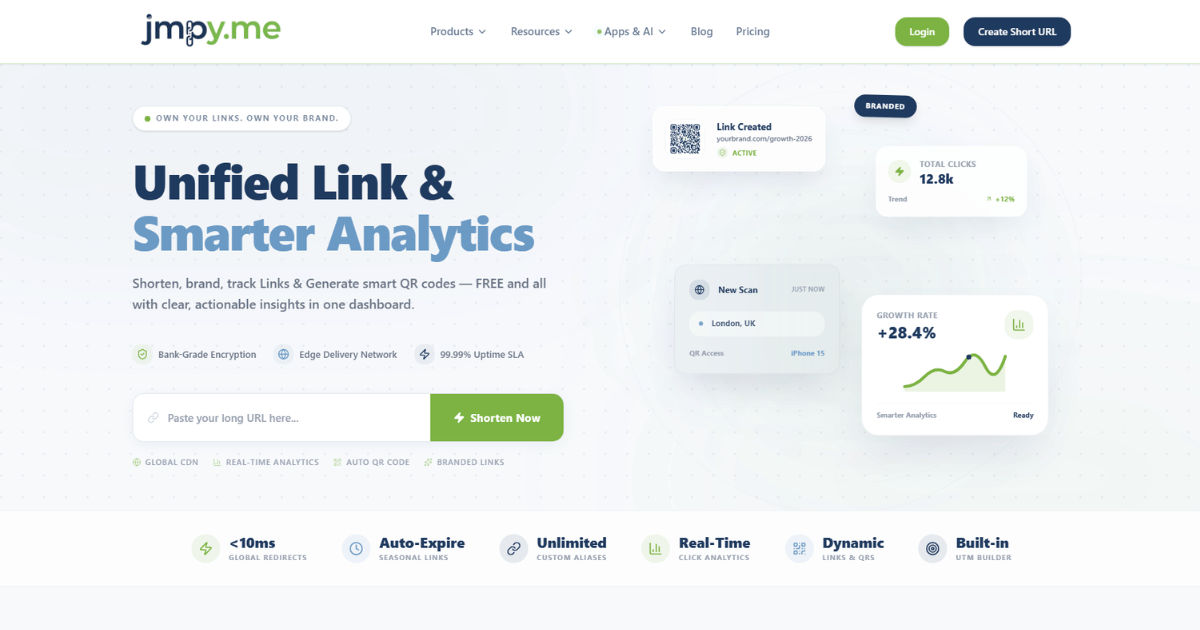
For businesses that regularly update their information or want to track customer engagement, dynamic QR codes can be a much more practical option. Businesses exploring Dynamic qr codes free solutions can also test this technology before deciding whether they need more advanced features.
The biggest advantage of a dynamic QR code is that the destination behind the code can be changed without replacing the printed QR code itself. This is a major difference from a traditional static QR code. With a static code, the information is permanently embedded into the code. If the information changes, the business usually has to create and print a completely new QR code.
A dynamic QR code works differently. The printed code generally points to a changeable web address or redirect service. The business can update where that QR code leads while keeping the same physical code in place.
This simple difference can make QR codes far more useful for modern businesses. A restaurant can update its digital menu without printing new table cards. A retailer can change a promotional landing page without replacing posters. An event organizer can redirect attendees to updated schedules. A company can also monitor scans and learn more about how customers interact with its marketing materials.
This comprehensive guide explains why businesses use dynamic QR codes, how they work, what benefits they provide, where they are most useful, and what businesses should consider before adopting them.
What Is a Dynamic QR Code?
A dynamic QR code is a QR code that allows the destination or linked content to be updated after the code has already been created and distributed.
To understand this, imagine a business prints thousands of brochures containing one QR code. With a dynamic QR code, the company may be able to change the destination page later without changing the QR code printed on those brochures.
The customer scans the same code, but the business controls the destination behind it.
For example, a clothing store may print a QR code on shopping bags that initially sends customers to a seasonal sale. When the sale ends, the business can change the destination to a new product collection or loyalty program.
The physical QR code stays the same.
This makes dynamic QR codes particularly valuable for businesses that frequently update their content.
Dynamic QR codes can also provide additional capabilities, depending on the service being used. These may include scan analytics, device information, approximate location data, time-based reporting, campaign management, and integration with marketing systems.
The exact features depend on the QR code platform.
How Dynamic QR Codes Work
The process behind a dynamic QR code is relatively straightforward.
When a customer scans the code, the QR scanner reads the encoded information. Instead of directly storing a permanent website address or large amount of content, the QR code usually points to a redirect or short URL.
That redirect then sends the customer to the current destination selected by the business.
For example, a QR code might be printed on a restaurant table. The customer scans it and is directed to the restaurant's online menu.
If the restaurant changes its menu, the business can update the destination associated with the QR code. The customer still scans the same printed code, but the updated menu appears.
This is the central concept behind dynamic QR codes.
The business is essentially separating the physical QR code from the destination it points toward. This creates flexibility that is not normally available with a standard static QR code.
Dynamic vs. Static QR Codes
The difference between static and dynamic QR codes is important for businesses deciding which option to use.
A static QR code stores information directly in the code. Once it is created and printed, the information generally cannot be changed. If a business prints a static QR code linking to an old website page and that page changes, the QR code itself may need to be replaced.
A dynamic QR code provides a changeable destination.
This means a business can update the content without redesigning or reprinting every physical marketing asset.
Static QR codes can still be useful for simple, permanent information. For example, a business card might use a static QR code to store a permanent email address or contact information.
However, businesses that use QR codes for marketing campaigns, promotions, menus, events, product information, or customer engagement often benefit more from the flexibility of dynamic codes.
The key difference is simple: static QR codes are generally fixed, while dynamic QR codes are designed for flexibility and ongoing management.
Businesses Can Update Information Without Reprinting
One of the strongest reasons to use dynamic QR codes is the ability to change information after the code has been printed.
Printing physical materials can be expensive and time-consuming.
Imagine a restaurant printing 5,000 table cards with a QR code that links to its menu. If the restaurant uses a static QR code and the menu URL changes, the printed cards may become useless.
A dynamic QR code can solve this problem.
The restaurant can update the destination behind the QR code while keeping the existing table cards.
The same concept applies to brochures, posters, product labels, packaging, business cards, signs, flyers, and displays.
This can significantly reduce waste and make marketing campaigns easier to manage.
Businesses also avoid the inconvenience of constantly replacing physical materials whenever digital information changes.
Dynamic QR Codes Make Marketing Campaigns More Flexible
Marketing campaigns often change quickly.
A business may promote a special discount this week, launch a new product next month, and introduce a loyalty program later in the year.
Using separate static QR codes for every campaign can create unnecessary complexity.
A dynamic QR code can provide a more flexible approach.
For example, a retailer may place a QR code on a permanent sign near the entrance. During one campaign, the code could lead to a seasonal sale. Later, it could lead to a product catalog. After that, it could direct customers to a loyalty program.
The physical marketing material does not necessarily need to change.
This gives businesses greater control over long-term marketing assets.
Instead of treating a QR code as a one-time campaign tool, a company can use the same code as an ongoing digital connection between its physical and online marketing.
Dynamic QR Codes Can Provide Scan Analytics
Another important advantage is tracking.
Many dynamic QR code services offer analytics that help businesses understand how their QR codes are being used.
Depending on the platform, a business may be able to see information such as the number of scans, scanning times, general geographic areas, devices, or campaign performance.
This data can provide useful insights.
For example, a restaurant may discover that its QR code receives most scans during lunch hours. A retailer may find that a poster in one location generates far more scans than another.
A marketing team can use this information to evaluate campaign performance.
Without tracking, a company may know that a QR code exists but have little idea whether customers are actually using it.
Analytics turn QR codes into measurable marketing tools.
Businesses Can Measure Offline Marketing Performance
One common challenge with traditional offline marketing is measurement.
A company can print thousands of flyers, distribute brochures, or place posters in public locations. But determining exactly how many people interacted with those materials can be difficult.
Dynamic QR codes can help bridge the gap between offline and online marketing.
When customers scan a QR code, their interaction can potentially be measured through analytics.
This allows businesses to connect physical marketing with digital activity.
For example, a company may distribute flyers in three different neighborhoods, each using a different dynamic QR code. The business can then compare scan activity and determine which location generated more engagement.
This kind of information can help marketers make better decisions about future campaigns.
Dynamic QR Codes Can Improve Customer Convenience
Customers generally appreciate simple experiences.
A QR code can reduce the number of steps required to access information.
Instead of typing a long website address, searching for a company online, or navigating through several pages, a customer can scan a code and reach the desired destination quickly.
This is particularly useful in restaurants, retail stores, hotels, healthcare offices, exhibitions, and events.
A dynamic QR code adds another layer of convenience because the business can keep the destination updated.
Customers are less likely to encounter outdated information if the business actively manages the linked destination.
Restaurants Can Use Dynamic QR Codes Effectively
Restaurants are among the businesses that can benefit significantly from dynamic QR codes.
A restaurant menu can change frequently. Prices may change, seasonal dishes may be introduced, and certain items may become unavailable.
A dynamic QR code can connect customers to a digital menu that the restaurant can update whenever necessary.
The same QR code can remain on tables, counters, promotional materials, and signage.
Restaurants can also use QR codes for online ordering, customer feedback, reservation systems, special promotions, and loyalty programs.
For businesses with constantly changing information, this flexibility can be extremely valuable.
Retail Businesses Can Connect Physical and Digital Shopping
Retailers can use dynamic QR codes to create connections between physical products and online information.
A product display might include a QR code that takes customers to detailed specifications, demonstration videos, customer reviews, or an online purchasing page.
If the retailer changes the product page, the QR code can continue working without requiring the physical display to be replaced.
Retailers can also use dynamic QR codes for discount campaigns and loyalty programs.
For example, a customer scanning a code on a store display might receive a special offer. Later, the same code could be connected to another campaign.
This makes physical retail spaces more interactive.
Product Packaging Can Become More Useful
Product packaging often has limited physical space.
A company may not be able to include every detail about a product on the package itself.
A dynamic QR code can provide a bridge to additional digital information.
Customers could scan the code to access instructions, tutorials, warranty registration, product details, ingredient information, or customer support.
The business can update the digital information without redesigning the entire package.
This can be especially useful for products with regularly updated documentation.
It also allows businesses to keep packaging relatively simple while providing customers with access to more detailed resources.
Events Can Benefit From Changeable QR Codes
Events often involve information that changes at the last minute.
Schedules can be modified. Speakers can change. Rooms may be reassigned. Important announcements may need to be communicated quickly.
Printing a new event guide every time something changes is not always practical.
A dynamic QR code can direct attendees to an online event page that is updated in real time.
The same code can be printed on tickets, badges, posters, banners, or event programs.
Attendees can scan the code to access the latest information.
This makes dynamic QR codes particularly useful for conferences, trade shows, exhibitions, workshops, and festivals.
Dynamic QR Codes Can Support Customer Feedback
Customer feedback is valuable for almost every business.
A QR code can make it easier for customers to reach a feedback form or review page.
For example, a hotel might place a QR code in a guest room. A restaurant might include one on a receipt. A retail store might display one near the checkout counter.
Dynamic QR codes allow businesses to change the destination when necessary.
A company might initially use the code for a customer satisfaction survey and later redirect it to a loyalty program or feedback campaign.
The key benefit is that the physical placement remains useful even as the digital campaign changes.
They Can Support Long-Term Branding
Businesses often invest heavily in branded physical materials.
Signs, displays, brochures, packaging, and promotional products may remain in circulation for months or even years.
A dynamic QR code can help these materials remain relevant for longer.
Instead of creating a QR code for only one temporary campaign, a business can use a permanent physical code that leads to a continuously updated digital destination.
This can make the QR code part of the company's long-term customer experience.
The code itself becomes a reusable connection between offline branding and online content.
Dynamic QR Codes Can Reduce Printing Waste
Frequent reprinting creates both financial and environmental costs.
If a company has to replace printed materials every time a website address or campaign changes, significant resources can be wasted.
Dynamic QR codes can reduce the need for repeated printing.
A business can update the destination digitally while continuing to use the same physical code.
This does not eliminate the need for printing altogether, but it can reduce unnecessary reprints caused by changing digital information.
For businesses with large marketing campaigns, the savings can become meaningful over time.
They Can Help Businesses Test Different Campaigns
Marketing is often about testing.
A business may want to determine which offer attracts more customers or which landing page generates better engagement.
Dynamic QR codes can support this process.
A company can change the destination or use different QR codes for different marketing assets.
For example, one QR code can lead customers to a product page, while another leads to a special discount.
By comparing scan activity and conversions, the business can learn which campaign performs better.
This makes QR codes more than simple links. They can become part of a measurable marketing strategy.
Dynamic QR Codes Can Be Useful for Location-Based Campaigns
Businesses with multiple locations can use QR codes to understand engagement across different physical areas.
A company with several retail branches might use separate dynamic QR codes at each location.
The codes could lead to similar online content while allowing the business to compare activity.
This can help answer practical questions.
Which location receives the most engagement?
Which marketing display attracts the most scans?
Which store generates the strongest response to a promotion?
Businesses can use this information to improve future campaigns and allocate marketing resources more effectively.
Dynamic QR Codes Can Support Digital Transformation
Many businesses are moving from traditional paper-based processes toward digital experiences.
Dynamic QR codes can help with this transition.
Instead of printing large amounts of information, businesses can use physical materials to direct customers toward digital resources.
A printed sign can connect to an online catalog.
A product package can connect to digital instructions.
A hotel room card can connect to guest services.
A restaurant table can connect to a digital menu.
This creates a practical connection between the physical and digital worlds.
Dynamic QR Codes Are Useful for Small Businesses Too
Dynamic QR codes are not only for large corporations.
Small businesses can also benefit from them.
A local service provider might place a QR code on business cards that directs customers to a booking page.
A small retailer might use one on printed flyers to promote current offers.
A salon might connect a QR code to its appointment system.
A local restaurant might use one for its menu.
The important advantage is flexibility.
Small businesses often have limited marketing budgets, so avoiding unnecessary reprinting can be especially valuable.
Businesses interested in testing QR technology may also find Dynamic qr codes free options useful for exploring basic functionality before investing in paid tools.
However, businesses should carefully review the terms of any free service. Some free solutions may have limitations on analytics, editing, scan volume, branding, or long-term availability.
What Should Businesses Consider Before Choosing a Dynamic QR Code Service?
Not every QR code platform offers the same features.
Before choosing a service, businesses should consider several factors.
First, check whether the QR code can actually be edited after printing.
Second, look at the analytics provided.
Third, review whether the service has scan limits.
Fourth, understand whether the QR code remains active indefinitely or requires an ongoing subscription.
Fifth, check whether the platform adds branding or advertisements.
Sixth, consider the quality of customer support.
Finally, examine the security and reliability of the service.
A QR code printed on thousands of products or marketing materials can become an important business asset. The platform behind it should therefore be selected carefully.
Security Is an Important Consideration
QR codes themselves are not automatically safe or unsafe.
The main concern is where the QR code sends the user.
Businesses should use trustworthy destinations and ensure that links are secure.
They should also regularly check their QR codes to confirm that they still direct customers to the correct destination.
If a business relies on a third-party QR platform, it should understand how the service manages redirects and accounts.
Account security is also important.
A business should protect its QR management account with strong passwords and, where available, multi-factor authentication.
If an unauthorized person gains access, they may be able to change where customers are sent.
QR Codes Should Be Easy to Scan
Even the best dynamic QR code is ineffective if customers cannot scan it easily.
Businesses should pay attention to size, contrast, placement, and printing quality.
The code should have enough clear space around it.
It should not be placed where customers have difficulty reaching or viewing it.
The QR code should also be tested using different smartphones and scanning applications.
Testing is particularly important before printing thousands of copies.
A QR code that works perfectly on a computer screen may not work as well when printed very small on packaging.
Businesses Should Always Test Before Printing
Testing should be part of every QR code campaign.
Scan the code using multiple devices.
Test it under different lighting conditions.
Check the destination page on both mobile phones and tablets.
Confirm that the page loads quickly.
Make sure the destination works without unnecessary login requirements.
If the QR code is part of a marketing campaign, test the complete customer journey.
Do not stop after confirming that the code scans.
The goal is to ensure that the customer has a smooth experience from scanning to completing the desired action.
Common Mistakes Businesses Make
One common mistake is placing a QR code somewhere without explaining why customers should scan it.
A simple call to action can improve engagement.
Instead of displaying only a QR code, a business might write something like "Scan to view today's menu" or "Scan to receive the latest offer."
Another mistake is linking to a page that is not mobile-friendly.
Most QR code scans happen on smartphones, so the destination should be easy to use on a small screen.
Businesses should also avoid changing destinations too frequently without a clear reason.
Consistency matters.
Finally, companies should not assume that every customer understands what to do. Clear instructions can make the experience more accessible.
Are Dynamic QR Codes Worth Using?
For many businesses, the answer is yes, particularly when QR codes are used on physical materials that will remain in circulation for a long time.
The main value comes from flexibility.
Businesses can change digital destinations without replacing physical QR codes.
Analytics can provide useful performance information.
Marketing teams can connect offline campaigns with online activity.
Customers can access information quickly.
Companies can also reduce waste caused by unnecessary reprinting.
However, dynamic QR codes are not automatically the best choice for every situation.
If the information will never change and tracking is unnecessary, a static QR code may be sufficient.
The decision should depend on how the business plans to use the code.
How to Use Dynamic QR Codes Effectively
A successful QR code strategy starts with a clear purpose.
Before creating a code, determine what customers should do after scanning it.
The destination should provide real value.
It might offer useful product information, an easy booking system, a current menu, an exclusive discount, or access to customer support.
The QR code should then be placed where customers naturally have time and motivation to scan it.
Businesses should also track performance where possible.
Review the data regularly and use the information to improve campaigns.
A QR code should not simply exist because it is popular technology. It should have a clear role in the customer journey.
The Future of Dynamic QR Codes in Business
QR codes have already become an important part of modern business communication.
As more businesses combine physical and digital experiences, their usefulness is likely to continue.
Dynamic QR codes are particularly well suited to this environment because they provide flexibility.
A physical product, poster, package, or sign can remain in place while the digital experience behind it changes.
This approach allows businesses to adapt more quickly to changing customer needs.
Future QR code campaigns may also become more closely connected with analytics, customer relationship systems, loyalty programs, digital payments, and personalized experiences.
The technology itself is relatively simple, but its applications can be broad.
The most successful businesses will likely be those that use QR codes thoughtfully rather than simply adding them to every available surface.
Conclusion
Dynamic QR codes have become a practical tool for businesses that need flexibility, measurable engagement, and a stronger connection between physical and digital experiences.
Their biggest advantage is simple but powerful: the destination behind the QR code can be changed without necessarily replacing the physical code.
This makes them valuable for restaurants, retailers, hotels, event organizers, manufacturers, service providers, educational organizations, and many other types of businesses.
For a restaurant, a dynamic QR code can provide access to an updated menu. For a retailer, it can connect customers with product information or current promotions. For an event organizer, it can provide access to a changing schedule. For a manufacturer, it can connect physical products with digital instructions and support resources.
Another major benefit is measurement.
Traditional offline marketing can be difficult to track. A business may distribute thousands of flyers or display posters in multiple locations without knowing exactly how many people engaged with them.
Dynamic QR code analytics can provide valuable insight into customer interaction.
Businesses can learn how often codes are scanned and, depending on the platform, gain additional information about campaign performance. This can help marketers understand what works and what needs improvement.
The flexibility of dynamic QR codes can also reduce waste.
When digital information changes, businesses do not always need to throw away physical materials and start again. The same printed code can continue directing customers to a new destination.
For businesses that regularly update their information, this can save time, reduce printing costs, and make marketing operations more efficient.
However, businesses should not choose dynamic QR codes simply because they are modern or popular.
The technology works best when there is a clear purpose behind it.
A QR code should lead customers to something useful. The destination should be mobile-friendly, easy to navigate, secure, and relevant to the reason the customer scanned the code.
Businesses should also carefully choose their QR code provider. Factors such as reliability, analytics, editing capabilities, pricing, scan limits, account security, and long-term availability should all be considered.
Free options can be useful for experimentation, especially for small businesses that want to understand how dynamic QR codes work. However, businesses should carefully check the limitations of free services before relying on them for important long-term campaigns.
Ultimately, the biggest reason to use dynamic QR codes is control.
A static QR code can be perfectly suitable for permanent information, but a dynamic QR code gives a business more room to adapt. Marketing campaigns change. Products change. Menus change. Websites change. Customer expectations change.
The physical world, however, does not always change as quickly.
A sign may remain on a wall for years. A product package may stay in circulation for months. A brochure may be distributed long after it was printed.
Dynamic QR codes help businesses manage this difference by allowing the digital experience to evolve while the physical QR code remains the same.
When used thoughtfully, they can become more than simple scanning tools. They can serve as a flexible bridge between offline marketing and online experiences, helping businesses provide updated information, measure engagement, improve customer convenience, and adapt their campaigns without constantly redesigning physical materials.
For businesses that depend on changing information, measurable marketing, or long-lasting printed materials, dynamic QR codes can be a smart and practical investment. The real value does not come from the QR pattern itself. It comes from the flexibility, control, and useful digital experience that exists behind it.