The trucking industry depends on a steady flow of freight, reliable carriers, and accurate communication between shippers and transportation professionals. Finding suitable freight at the right time is one of the most important parts of keeping a truck productive. This is where load sourcing and dispatch becomes especially valuable for carriers, owner-operators, and trucking companies.
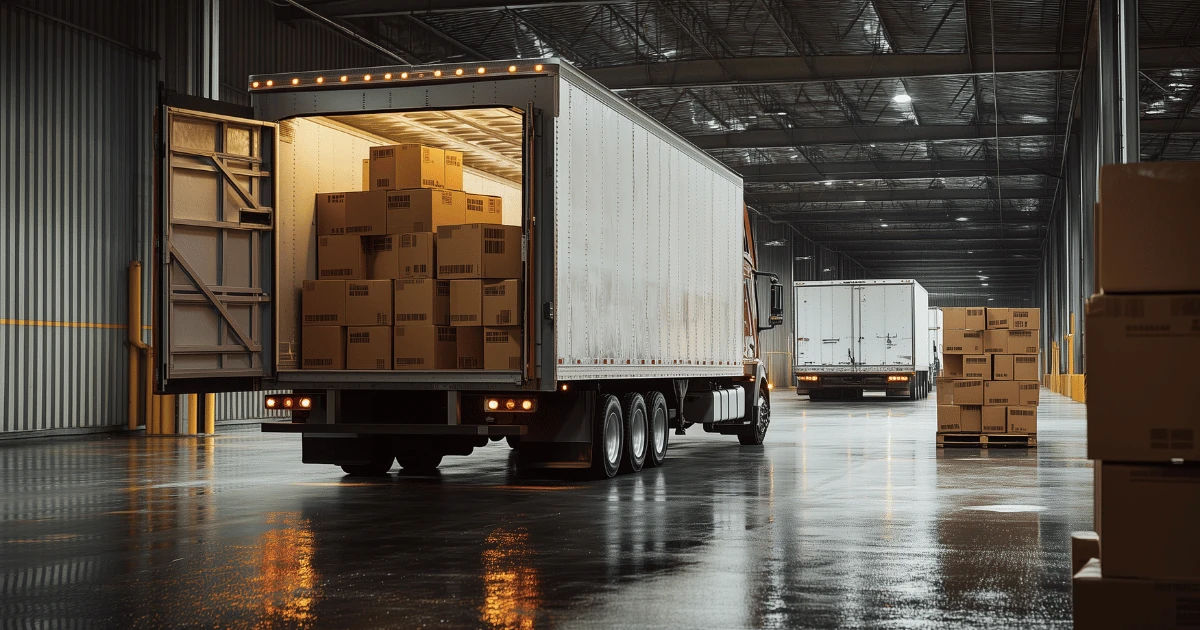
A truck cannot generate revenue while sitting empty for long periods. Dispatchers therefore need effective tools to find available freight, compare opportunities, communicate with brokers, and organize routes. Load boards have become one of the most common digital tools for completing these tasks efficiently.
Load sourcing and dispatch professionals use load boards to search for available shipments based on factors such as pickup location, delivery location, equipment type, weight, rate, and pickup date. Instead of calling dozens of companies individually, a dispatcher can review multiple freight opportunities from one online platform.
What Is a Load Board?
A load board is an online marketplace that connects freight brokers, shippers, and carriers. Brokers and shippers post information about available loads, while carriers and dispatchers search those listings for freight that matches their needs.
A typical load listing may include:
-
Pickup city and state
-
Delivery city and state
-
Pickup and delivery dates
-
Equipment requirements
-
Freight weight
-
Commodity type
-
Distance
-
Posted rate
-
Contact information
-
Special requirements
Some load boards provide additional information, including broker reviews, credit information, rate history, and tracking options.
Popular examples in the trucking industry include DAT, Truckstop, and other specialized freight marketplaces. The features and pricing can differ between platforms, so carriers often choose a service based on their equipment, operating area, and business requirements.
How Load Sourcing Works Through Load Boards
Load sourcing begins by identifying what a truck needs. A dispatcher may know that a dry van will become available in Dallas on Monday morning, for example.
The dispatcher enters relevant search criteria into a load board. These criteria may include the truck's current location, desired destination, equipment type, maximum deadhead distance, and preferred pickup date.
The platform then displays available loads that match those requirements.
The dispatcher reviews the listings and creates a shortlist of potentially profitable opportunities. Not every load is suitable simply because it is available. A good dispatcher evaluates the complete trip before contacting the broker.
Finding Loads That Match the Truck
One of the primary purposes of load sourcing and dispatch is matching the right freight with the right truck.
Equipment compatibility is important. A dry van cannot automatically haul every type of freight. A refrigerated truck may be required for temperature-controlled products, while flatbed equipment is generally needed for certain oversized or construction-related shipments.
Dispatchers also consider the truck's location. If a truck is in Houston, a load originating in Chicago may not be practical unless the carrier is already planning to travel there.
This is why location, equipment, timing, and destination must be considered together.
Searching by Equipment Type
Load boards allow dispatchers to narrow searches according to equipment.
Common equipment categories include:
Dry Van
Dry vans are enclosed trailers commonly used for packaged goods, retail products, electronics, household goods, and many other commodities.
Reefer
Reefers are refrigerated trailers used for temperature-sensitive freight. Dispatchers need to pay attention to temperature requirements and equipment capabilities.
Flatbed
Flatbeds are commonly used for machinery, construction materials, steel, lumber, and other freight that may require open-deck transportation.
Box Truck and Specialized Equipment
Some marketplaces also contain opportunities for box trucks, cargo vans, step decks, hotshots, and other specialized equipment.
Choosing the correct equipment category helps reduce irrelevant search results and makes the sourcing process faster.
Evaluating a Load Before Booking
Finding a load is only the beginning. The dispatcher must determine whether accepting it makes financial and operational sense.
A load offering $2,000 may initially look attractive. However, the dispatcher should calculate the total miles, including possible deadhead miles, tolls, fuel expenses, and other costs.
For example, a shipment may have 700 loaded miles but require 150 empty miles to reach the pickup location. The effective trip distance is therefore closer to 850 miles.
The dispatcher should also consider how the delivery location affects the next load. A high-paying shipment that leaves a truck in an area with very little outbound freight may not be as profitable as it first appears.
Understanding Rate Per Mile
Rate per mile is an important measurement in freight transportation.
A basic calculation is:
Rate per mile = Load rate ÷ Total trip miles
Suppose a load pays $2,400 and involves 1,000 total miles. The gross rate is $2.40 per mile.
However, dispatchers should distinguish between loaded miles and total miles. Deadhead mileage can significantly affect the actual economics of a trip.
Experienced load sourcing and dispatch professionals therefore look beyond the advertised rate and examine the complete movement of the truck.
Contacting the Broker
After identifying a suitable load, the dispatcher contacts the broker or shipper listed on the load board.
The dispatcher may confirm:
-
Whether the load is still available
-
Exact pickup and delivery times
-
Commodity
-
Weight
-
Dimensions
-
Equipment requirements
-
Loading and unloading conditions
-
Detention policies
-
Rate
-
Special instructions
Load board information can change quickly. A shipment that appears online may already have been booked, so confirming availability is essential.
Negotiating the Freight Rate
The posted rate is not always the final rate.
Depending on market conditions, location, equipment availability, and urgency, a dispatcher may negotiate with the broker for better compensation.
For example, if a broker posts a load for $1,500 and the carrier has strong positioning or limited availability in that market, the dispatcher may request a higher amount.
Negotiation should remain professional. The goal is to establish a rate that works for both parties while protecting the carrier's profitability.
Verifying Broker Information
A load board can help identify available freight, but dispatchers should still perform due diligence.
Before accepting a load, they may review broker information, authority details, payment history, and other available records.
This is an important part of load sourcing and dispatch because not every freight opportunity carries the same level of business risk.
Carriers should be particularly cautious when dealing with unfamiliar parties, unusual payment arrangements, suspicious instructions, or requests for sensitive information.
Booking the Load
Once the carrier and broker agree on the details, the dispatcher confirms the shipment.
The broker typically provides a rate confirmation containing important information about the shipment.
The dispatcher should review the document carefully before sending it to the driver. Pickup numbers, addresses, appointment times, commodity information, and agreed compensation should match what was discussed.
Mistakes at this stage can create delays and payment problems later.
Dispatching the Driver
After the load is booked, the dispatcher sends the driver the necessary information.
This usually includes pickup and delivery addresses, appointment times, contact details, reference numbers, and special instructions.
The driver then travels to the pickup location and follows the shipper's procedures.
The dispatcher remains available if questions or unexpected issues arise.
This shows why load sourcing and dispatch are closely connected. Finding freight without properly coordinating the movement of that freight does not create a complete transportation solution.
Tracking the Shipment
Many modern dispatch operations use digital tracking tools alongside load boards.
A dispatcher may monitor the truck's progress, communicate with the driver, and provide updates to the broker when necessary.
Tracking can help identify potential delays before they become major problems.
For example, if traffic, weather, mechanical problems, or loading delays affect the schedule, the dispatcher can notify the broker promptly.
Good communication helps protect relationships with brokers and shippers.
Using Load Boards to Reduce Empty Miles
Empty miles are a major concern for trucking companies.
When a truck travels without freight, the carrier still pays for fuel, maintenance, insurance, and other operating expenses. The truck also loses an opportunity to generate revenue.
Load boards help dispatchers search for a new shipment after delivery.
For example, if a truck delivers in Atlanta, the dispatcher can immediately search for outbound freight from Atlanta or nearby markets.
This approach can reduce unnecessary empty driving and improve truck utilization.
Planning the Next Load
Effective load sourcing and dispatch does not stop when the current shipment is booked.
A dispatcher should think ahead.
If a truck is scheduled to deliver Wednesday afternoon, the dispatcher can begin searching for freight from the delivery area before the truck arrives.
Advance planning gives the dispatcher more choices and reduces the possibility of the truck sitting empty after delivery.
It also allows the carrier to build a more efficient multi-load route.
Comparing Multiple Load Boards
Some dispatchers use more than one load board.
This can increase the number of available freight opportunities. One platform may have strong coverage in a particular region, while another may provide better access to certain equipment types.
However, using multiple platforms can also increase costs and require more time to manage searches.
A carrier should determine whether the additional opportunities justify the subscription expenses.
Common Mistakes When Using Load Boards
New dispatchers sometimes focus only on the highest advertised rate.
This can lead to poor decisions.
Other common mistakes include ignoring deadhead miles, failing to confirm load details, accepting unrealistic appointment times, overlooking equipment requirements, and not researching unfamiliar brokers.
Another mistake is waiting until the truck has already delivered before searching for the next load.
A proactive dispatcher continually monitors the market.
How Technology Improves Load Sourcing
Modern freight operations increasingly combine load boards with transportation management systems, GPS tracking, electronic logging information, digital paperwork, and communication platforms.
These tools can reduce manual work and make information easier to organize.
Some systems allow dispatchers to save preferred lanes, monitor trucks, track documents, and manage multiple shipments from a central dashboard.
Automation can also help identify loads that match predetermined criteria.
However, technology does not replace human judgment. A dispatcher still needs to evaluate whether a shipment is genuinely suitable for the carrier.
Best Practices for Dispatchers
Successful dispatchers can improve their results by following a consistent process.
First, understand the carrier's equipment and preferred lanes.
Second, know the truck's current and future location.
Third, search load boards regularly instead of relying on a single search.
Fourth, calculate the actual trip economics before accepting freight.
Fifth, verify important shipment and broker information.
Sixth, negotiate professionally when appropriate.
Finally, maintain communication throughout the shipment.
These habits make load sourcing and dispatch more organized and reliable.
Benefits of Using Load Boards
Load boards provide several advantages for trucking businesses.
More Freight Opportunities
Instead of relying exclusively on personal contacts, carriers can access a much larger marketplace.
Faster Searching
Digital searches can identify suitable loads within seconds.
Better Route Planning
Dispatchers can compare loads based on pickup and delivery locations.
Reduced Empty Miles
Finding outbound freight can help trucks stay productive.
Market Awareness
Load boards provide insight into available freight and market activity.
Greater Flexibility
Carriers can choose shipments based on equipment, location, timing, and business goals.
Challenges to Consider
Despite their advantages, load boards are not perfect.
Competition can be high, particularly in popular freight markets.
Rates can change quickly based on supply and demand.
Some listings may become outdated before a dispatcher contacts the broker.
There can also be fraudulent listings or unreliable business partners, making verification important.
For these reasons, a load board should be treated as a valuable sourcing tool rather than a guarantee of profitable freight.
The Role of Experience
Experience makes a major difference in freight selection.
An experienced dispatcher understands that the highest rate is not necessarily the best load.
They consider the entire trip, including deadhead, fuel costs, delivery location, market conditions, appointment times, and opportunities for the next shipment.
Over time, dispatchers also develop knowledge of reliable brokers, productive lanes, difficult markets, and seasonal freight patterns.
This knowledge allows them to make faster and more informed decisions.
Conclusion
Load boards have transformed the way trucking companies find and manage freight. They provide a centralized marketplace where carriers and dispatchers can search for shipments according to location, equipment, timing, distance, and other requirements.
The process begins with identifying the truck's needs and searching for compatible freight. The dispatcher then compares opportunities, calculates potential revenue, verifies broker information, negotiates when appropriate, and confirms the shipment.
After booking, the work continues through driver communication, shipment tracking, paperwork, and planning for the next load. A successful operation focuses not only on finding freight but also on keeping the truck productive and minimizing unnecessary expenses.
Ultimately, load sourcing and dispatch is about making smart transportation decisions. Load boards provide the information and opportunities, but skilled dispatchers provide the judgment needed to turn those opportunities into profitable trips.
When used correctly, load boards can help carriers find more freight, reduce empty miles, improve route planning, and maintain a consistent workflow. The strongest results come from combining reliable technology with careful research, professional communication, accurate calculations, and proactive planning.
For carriers and trucking companies seeking to improve their operations, understanding how load boards work is an essential step toward building a more efficient and sustainable dispatch process.