Workplace visibility is an important part of staying safe, especially for people who work around traffic, machinery, construction equipment, or poorly lit areas. A well-designed high visibility safety vest for men helps workers stand out from their surroundings so drivers, machine operators, and coworkers can identify them quickly. However, not every reflective vest provides the same level of protection. Its effectiveness depends on visibility, material quality, fit, reflective performance, comfort, and proper use.
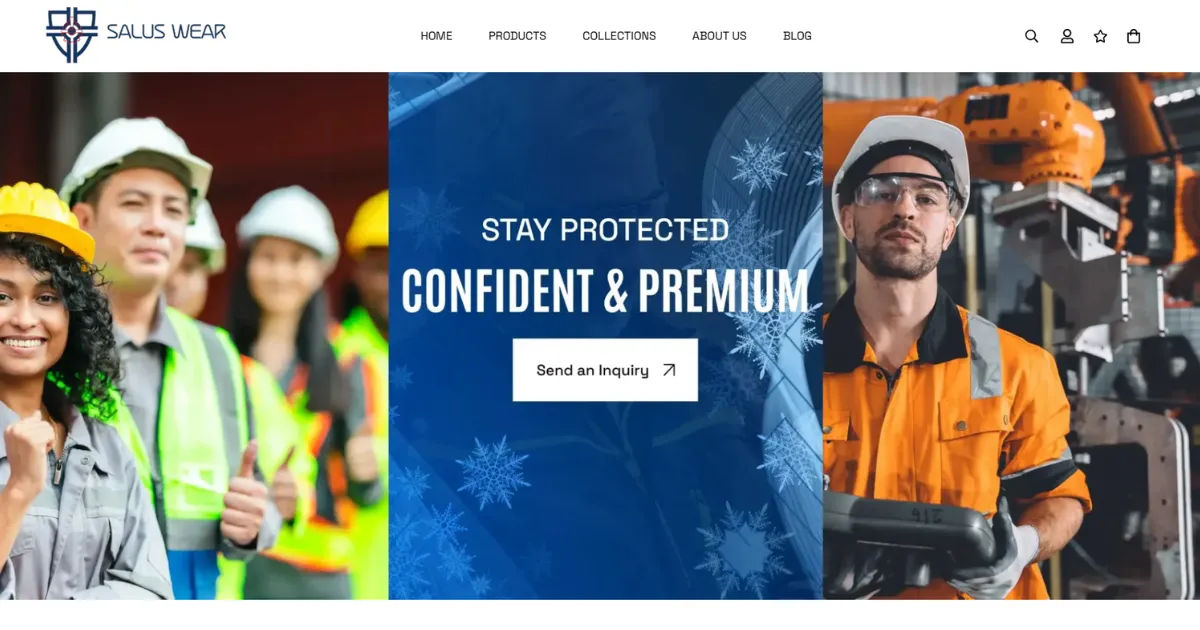
A safety vest may look simple, but it serves an important purpose. It creates a visual contrast between the worker and the surrounding environment. When someone is working near moving vehicles or heavy equipment, being seen early can give others more time to react. This is particularly important during night shifts, early mornings, bad weather, and busy work conditions.
A high visibility safety vest for men is most effective when it combines bright fluorescent material with reflective elements. The fluorescent fabric helps workers remain noticeable during daylight and low-light conditions, while reflective strips help catch and return light from vehicle headlights and other artificial sources. Together, these features improve recognition from a distance.
High-Visibility Safety Vests
A high-visibility safety vest is protective workwear designed to make the wearer easier to see. It is commonly used by construction workers, road crews, warehouse employees, airport personnel, utility workers, security staff, delivery workers, and emergency responders.
The main objective is not to protect the body from every workplace hazard. Instead, the vest provides visual protection by making the wearer more noticeable.
This distinction is important. A vest can be lightweight and comfortable while still performing a major safety function. It works as part of a broader personal protective equipment strategy.
Bright and Contrasting Colors
One of the most important characteristics of an effective safety vest is its background color. Bright fluorescent colors are commonly used because they stand out against many natural and workplace environments.
Colors such as fluorescent yellow, lime, orange, and similar bright shades can create strong contrast. This makes it easier for people to recognize a worker from a distance.
The surrounding environment should also be considered. A color that stands out well at a construction site may not provide the same visual contrast in another setting.
Fluorescent materials are particularly useful during daylight because they can make better use of available light. However, fluorescent fabric should not be confused with reflective material.
Reflective Strips and Visibility
Reflective strips are another key feature of an effective vest. These strips are designed to reflect light toward its source.
For example, when vehicle headlights shine toward a worker, reflective tape can appear much brighter than ordinary fabric. This can help a driver recognize the worker more quickly.
The placement of reflective elements also matters. Strips positioned around the torso can help identify the shape and movement of a person. Some designs also include reflective bands around the shoulders and waist.
A good design provides visibility from different angles rather than concentrating reflective material in only one area.
Visibility From Multiple Directions
Workers do not always face approaching vehicles. They may turn, bend, walk, or work with their backs toward traffic.
For this reason, a safety vest should provide visibility from the front, back, and sides. Reflective patterns that wrap around the body can improve recognition when the worker changes direction.
Some vests use shoulder strips, vertical reflective sections, and horizontal bands to create a recognizable human shape.
This feature can be especially useful for road construction and traffic-control workers who may be approached from several directions.
Proper Fit Is Essential
A safety vest cannot perform properly if it does not fit the wearer correctly. A vest that is too loose may interfere with movement or become caught on equipment.
A vest that is too tight can restrict movement and become uncomfortable during long shifts.
The best fit allows the worker to move naturally while keeping the reflective and fluorescent areas visible. Adjustable side straps, elastic sections, or secure closures can make it easier to achieve a suitable fit.
Workers should also ensure that other clothing or equipment does not completely cover the vest.
Comfort During Long Shifts
Safety equipment is more effective when workers are willing to wear it consistently. Comfort therefore plays an important role.
Construction and industrial employees may wear their safety clothing for eight hours or longer. A poorly designed vest can cause heat buildup, irritation, or restricted movement.
Breathable materials and lightweight construction can improve comfort. Mesh panels may also help with airflow in hot environments.
For warm climates, ventilation is particularly useful. A worker who feels comfortable is more likely to keep the vest properly positioned throughout the workday.
Durability and Material Quality
A safety vest should be able to handle regular workplace use. Construction sites, warehouses, and outdoor jobs can expose clothing to dust, moisture, friction, and repeated washing.
Poor-quality fabric may fade quickly. Reflective strips can also crack, peel, or lose their reflective performance after repeated use.
A durable high visibility safety vest for men should therefore be made with materials appropriate for the intended working conditions.
Before purchasing a vest, users should consider stitching quality, fabric strength, reflective tape durability, closure quality, and care requirements.
Visibility in Low-Light Conditions
Night work presents different visibility challenges from daytime work.
During daylight, fluorescent fabric can provide strong visual contrast. At night, however, the fluorescent color alone may not be enough.
Reflective elements become particularly important when artificial light is available. Vehicle headlights, work lights, and street lighting can illuminate reflective strips and make them more noticeable.
Workers who regularly work at night should select garments designed for their specific visibility requirements and follow workplace safety rules.
Weather Conditions Matter
Weather can influence how easily a worker can be seen. Rain, fog, dust, snow, and darkness can reduce visibility.
A vest intended for outdoor work should be suitable for the expected environment. If rain is common, the vest may need to be worn over appropriate weatherproof clothing without becoming hidden.
In hot conditions, breathable construction can improve comfort. In colder weather, workers may need larger sizes so the vest can be worn over jackets or other layers.
The important point is that visibility should not be sacrificed when clothing changes with the weather.
Placement of Reflective Material
The effectiveness of reflective tape depends partly on where it is placed.
Horizontal bands around the torso can help identify the wearer. Shoulder and vertical strips can make the upper body more recognizable.
Some designs create patterns that help distinguish a person from signs, barriers, or other objects at a worksite.
Reflective material should also remain visible while the worker is performing normal tasks. If a design becomes completely hidden when the wearer bends or moves, its practical effectiveness may be reduced.
Choosing the Right Size
Choosing the correct size is more than a matter of appearance. A vest should fit over the clothing the worker normally wears.
A worker who wears a winter jacket underneath may require a different size from someone wearing only a shirt.
Manufacturers often provide size charts based on chest measurements and other dimensions. Checking these measurements before purchasing can reduce the chance of selecting an unsuitable fit.
An adjustable design can provide additional flexibility for different body shapes and clothing layers.
Secure Closures and Construction
A vest should remain securely attached while the wearer is walking, climbing, lifting, or operating equipment.
Zippers, hook-and-loop fasteners, snaps, and other closure systems can help keep the garment in place.
The best option depends on the working environment. For example, a worker who frequently moves around equipment may prefer a secure closure that does not easily open.
Strong stitching around closures and reflective sections can also increase the lifespan of the garment.
Compliance With Workplace Requirements
Not every workplace has the same safety requirements. Construction companies, road agencies, warehouses, airports, and industrial facilities may follow different standards.
Before purchasing a high visibility safety vest for men, workers should check their employer's safety policy and applicable regulations.
Depending on the job and location, there may be requirements concerning color, reflective material, garment classification, coverage, or design.
A vest that looks highly visible may still fail to meet a specific workplace standard. Compliance should therefore be checked before relying on a particular garment for professional use.
When Should a Safety Vest Be Replaced?
Even a high-quality vest does not last forever.
Frequent washing, exposure to sunlight, chemicals, dirt, and physical wear can gradually reduce its effectiveness. Fluorescent fabric may become faded, while reflective strips may become scratched, cracked, detached, or less reflective.
Workers should inspect their vests regularly.
Signs that a vest may need replacement include severe fading, damaged reflective tape, torn fabric, broken closures, excessive staining, or other damage that reduces visibility.
Replacing worn-out safety clothing is an important part of maintaining workplace protection.
Cleaning and Maintenance
Proper care can help extend the useful life of a safety vest.
Workers should follow the manufacturer's washing instructions. Harsh cleaning products, excessive heat, or improper drying methods may damage reflective materials.
The vest should also be inspected after washing. If reflective sections begin separating from the fabric, the garment may no longer provide the expected level of visibility.
Keeping the vest clean is also useful because heavy dirt can reduce the contrast of bright materials.
Common Mistakes to Avoid
One common mistake is choosing a vest based only on its appearance or price. A bright vest is not necessarily an effective one.
Another mistake is covering the vest with jackets, backpacks, tools, or other equipment. Even an excellent garment cannot improve visibility when most of its surface is hidden.
Wearing the wrong size is another problem. Excessively loose or tight clothing can affect comfort and visibility.
Workers should also avoid continuing to use a heavily damaged vest simply because it still looks wearable.
Safety Vests for Different Jobs
Different occupations have different visibility needs.
Construction workers may need vests that can withstand dust, movement, and rough conditions. Road workers often require excellent visibility because they operate close to moving vehicles.
Warehouse workers may benefit from lightweight designs that remain comfortable indoors. Utility workers may need durable garments suitable for outdoor environments.
Airport and transportation workers can also benefit from designs that make them recognizable around vehicles and equipment.
The right choice should always reflect the actual hazards and working conditions of the job.
Why Fit, Design, and Visibility Work Together
No single feature makes a vest effective. Its overall performance comes from several elements working together.
Bright fabric provides daytime contrast. Reflective material improves recognition when illuminated. Proper fit keeps those features positioned correctly. Durable construction helps maintain performance over time.
Comfort encourages consistent use, while appropriate sizing ensures the vest can be worn over normal work clothing.
This combination is what makes a high visibility safety vest for men more than simply a brightly colored piece of clothing.
How to Choose an Effective Safety Vest
When selecting a vest, start by identifying the working environment.
Consider whether the worker operates during daylight, nighttime, or both. Think about traffic levels, weather, temperature, machinery, and the amount of movement involved.
Next, examine the garment's materials and reflective features. Check the size carefully and make sure the vest can be worn comfortably over required work clothing.
Finally, review applicable workplace standards. If the employer requires a particular safety classification or garment type, that requirement should take priority.
A good purchasing decision balances visibility, comfort, durability, fit, and compliance.
Conclusion
A safety reflective vest is effective because it helps solve one of the most important problems in hazardous work environments: making workers easier to see. Its effectiveness depends on more than bright colors. Fluorescent materials, reflective strips, thoughtful placement, proper fit, durable construction, comfort, and regular maintenance all contribute to its performance.
The best high visibility safety vest for men is one that suits the worker's environment and remains visible during normal movement. It should be comfortable enough for long shifts, durable enough for repeated workplace use, and designed according to the visibility requirements of the job.
Workers should also remember that a safety vest is only one part of a complete workplace safety system. It does not replace training, safe work procedures, protective footwear, helmets, gloves, eye protection, or other equipment required for specific hazards.
Regular inspection is equally important. A faded vest or damaged reflective strip may not provide the same level of visibility as a new garment. Replacing worn clothing and following care instructions can help maintain its effectiveness.
Ultimately, choosing the right vest is an investment in visibility and awareness. When workers can be recognized quickly by drivers, machine operators, and coworkers, the opportunity for timely reaction improves. By selecting a properly fitted, durable, comfortable, and standards-appropriate vest, employers and workers can make visibility an important part of a safer workplace.