Installing a kitchen ventilation system may seem like a technical job, but with the right guidance, it becomes manageable even for beginners.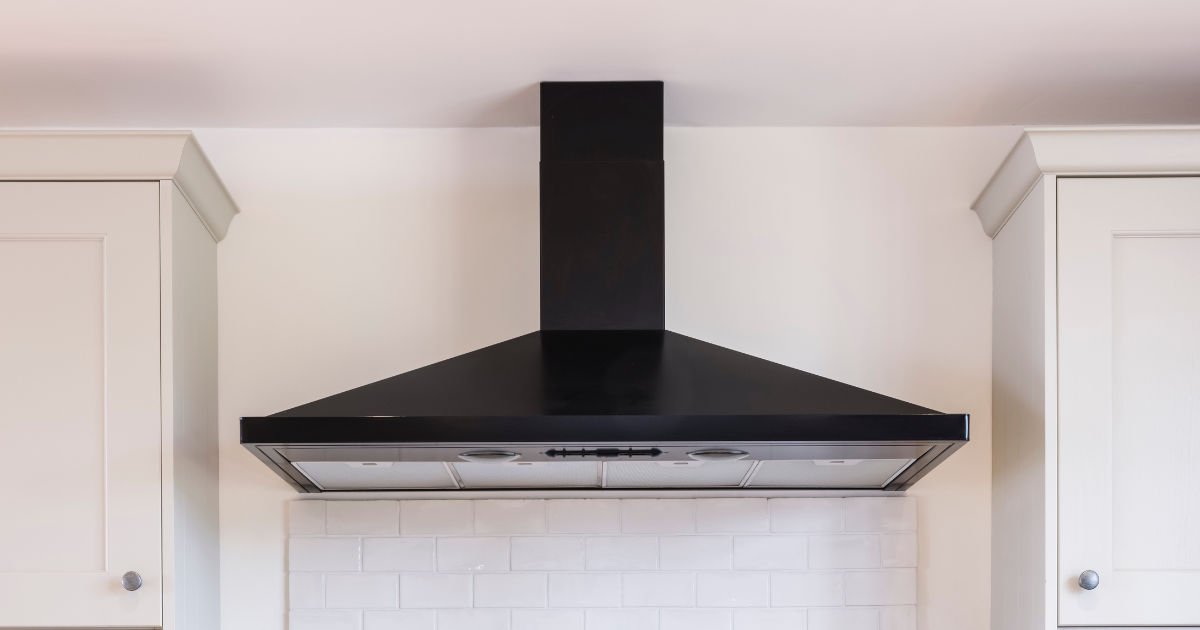
In many modern homes, especially where heavy cooking is common, a kitchen hood for Pakistani cooking plays an essential role in maintaining air quality, reducing smoke, and improving kitchen comfort.
In this guide, you will learn how a 90cm chimney hood is installed, from planning to final testing, in a simple and structured way that a 12th-grade student can easily understand.
Understanding a 90cm Chimney Hood
A 90cm chimney hood is designed for medium to large stovetops. It is commonly used in households where cooking involves frying, grilling, and spice-heavy dishes. A kitchen hood for Pakistani cooking is especially important because traditional dishes produce more smoke, oil particles, and strong aromas compared to lighter cuisines.
A chimney hood works by sucking in air, filtering grease and smoke, and then releasing clean air either outside or back into the kitchen after filtration. A kitchen hood for Pakistani cooking ensures that your kitchen remains fresh even during heavy cooking sessions.
The 90cm size is ideal because it covers most standard cooking ranges, making it highly efficient. A kitchen hood for Pakistani cooking of this size is widely preferred in modern Pakistani kitchens.
Tools and Materials Required
Before starting installation, you must gather all tools. Proper preparation is important for a smooth process, especially when installing a kitchen hood for Pakistani cooking.
You will need:
- Measuring tape
- Pencil or marker
- Drill machine
- Screws and wall plugs
- Screwdriver
- Level tool
- Duct pipe (if external venting is used)
- Electrical tester
- Ladder
Having the right tools ensures the safe installation of a kitchen hood for Pakistani cooking, reducing mistakes and delays.
A kitchen hood for Pakistani cooking must always be installed securely because it deals with heat, grease, and continuous airflow.
Planning the Installation Area
Planning is the most important step. You must decide the exact position of the chimney hood above the stove. Normally, the recommended height is 24 to 30 inches above the cooking surface.
A kitchen hood for Pakistani cooking must be positioned correctly to capture maximum smoke and oil fumes.
You should also check:
- Wall strength
- Power socket location
- Ventilation route
- Ceiling clearance
Proper planning ensures that the kitchen hood for Pakistani cooking performs efficiently and safely for years.
A kitchen hood for Pakistani cooking installed too high will lose suction power, while too low may interfere with cooking.
Measuring and Marking the Wall
Once you finalize the position, start marking the wall. Use a measuring tape to find the center above the stove. A kitchen hood for Pakistani cooking must be centered properly to ensure balanced airflow.
Mark the bracket points clearly using a pencil. Double-check measurements before drilling. Accuracy is essential when installing a kitchen hood for Pakistani cooking because even small errors can affect performance.
Ensure that the markings are level. A tilted installation can reduce the efficiency of a kitchen hood for Pakistani cooking and may also look unprofessional.
Installing the Mounting Bracket
The mounting bracket supports the entire weight of the chimney hood. Drill holes at the marked points and insert wall plugs. Then fix the bracket using screws.
A kitchen hood for Pakistani cooking must be mounted firmly to avoid vibration and noise during operation.
After fixing the bracket, check its stability. A weak bracket can damage the kitchen hood for Pakistani cooking over time.
Make sure the bracket is perfectly horizontal. A misaligned setup will affect the airflow of a kitchen hood for Pakistani cooking.
Hanging the Chimney Hood
Now carefully lift the 90cm chimney hood and place it on the mounted bracket. This step may require two people due to the weight.
A kitchen hood for Pakistani cooking should be handled carefully to avoid scratches or internal damage.
Once placed, secure it tightly using screws provided by the manufacturer. A stable installation ensures that the kitchen hood for Pakistani cooking remains safe during high-speed operation.
Check again for balance and stability. A properly installed kitchen hood for Pakistani cooking should not wobble or tilt.
Installing the Chimney and Duct Pipe
The chimney section is responsible for directing air either outside or through filters. Attach the chimney cover to the main hood unit.
If external ventilation is available, connect the duct pipe to the outlet. A kitchen hood for Pakistani cooking works best when connected to an external exhaust system.
Ensure that the duct pipe is straight and has minimal bends. Sharp bends reduce airflow efficiency in a kitchen hood for Pakistani cooking.
Seal all joints properly to prevent air leakage. A well-sealed system improves the performance of a kitchen hood for Pakistani cooking significantly.
Electrical Wiring and Power Connection
Safety is extremely important during this step. Always turn off the main power before connecting wires.
Most chimney hoods require a standard power socket. Connect the plug and ensure proper grounding.
A kitchen hood for Pakistani cooking must have a stable power supply to function correctly during long cooking hours.
Avoid using loose connections or extension cords. A safe electrical setup increases the lifespan of a kitchen hood for Pakistani cooking.
Once connected, test the power briefly to ensure the unit turns on properly.
Testing the Chimney Hood
After installation, testing is crucial. Turn on the hood and check different speed settings.
A kitchen hood for Pakistani cooking should efficiently absorb smoke, steam, and odors within seconds.
Test the suction by placing a light tissue near the hood. If it gets pulled upward, the system is working properly.
Listen for unusual noise. A properly installed kitchen hood for Pakistani cooking should operate smoothly and quietly.
Check lighting features as well, if available.
Common Installation Mistakes to Avoid
Many people make mistakes during installation that reduce efficiency. Avoid the following:
- Incorrect height placement
- Poor sealing of ducts
- Weak wall support
- Wrong electrical wiring
- Improper leveling
A kitchen hood for Pakistani cooking must always be installed carefully to avoid these issues.
Incorrect installation can reduce suction power and increase noise in a kitchen hood for Pakistani cooking.
Always follow manufacturer instructions for best results.
Importance of Proper Ventilation in Pakistani Kitchens
Pakistani cooking involves frying, grilling, and heavy spice usage. This creates more smoke and grease compared to many other cuisines.
A kitchen hood for Pakistani cooking helps remove these particles efficiently, keeping the kitchen clean and breathable.
Without proper ventilation, smoke can settle on walls and ceilings, causing long-term damage. A kitchen hood for Pakistani cooking prevents this by maintaining airflow balance.
It also improves cooking comfort, especially during summer when kitchens get hot and humid. A kitchen hood for Pakistani cooking makes the environment much more manageable.
Maintenance After Installation
After installation, regular maintenance is important. Clean filters every 2 to 4 weeks depending on usage.
A kitchen hood for Pakistani cooking collects grease quickly due to oily dishes, so cleaning is essential.
Check duct pipes for blockages. Replace filters when necessary.
A well-maintained kitchen hood for Pakistani cooking lasts longer and performs better.
Also wipe the outer surface regularly to maintain appearance.
Enhancing Performance Over Time
To improve performance, always use the hood during cooking, not after. Turn it on a few minutes before cooking starts.
A kitchen hood for Pakistani cooking works best when airflow is continuous.
Use medium or high speed during frying or grilling. A kitchen hood for Pakistani cooking is designed to handle intense smoke levels.
Avoid blocking air intake areas.
Benefits of Installing a 90cm Chimney Hood
A properly installed hood offers many advantages:
- Cleaner kitchen air
- Reduced grease buildup
- Better hygiene
- Improved cooking comfort
- Longer kitchen life
A kitchen hood for Pakistani cooking is especially beneficial in homes where daily cooking involves strong aromas and oil-heavy meals.
It also enhances the overall kitchen experience.
Final Checks After Installation
Once everything is installed, perform a final inspection:
- Check stability
- Test airflow
- Inspect wiring
- Confirm duct sealing
A kitchen hood for Pakistani cooking should pass all these checks before regular use.
Make sure all screws are tightened properly and there are no loose parts.
Conclusion
Installing a 90cm chimney hood may seem like a complex task at first, but with proper planning and step-by-step execution, it becomes manageable. From marking the wall to final testing, every stage plays an important role in ensuring efficiency and safety.
A kitchen hood for Pakistani cooking is not just a luxury but a necessity in modern homes where heavy and flavorful cooking is a daily routine. It improves air quality, reduces smoke, and keeps the kitchen environment clean and comfortable.
When installed correctly, a kitchen hood for Pakistani cooking can last for many years with minimal maintenance. It also enhances the overall cooking experience by reducing heat and odor buildup.
Proper installation ensures maximum performance, safety, and durability. A kitchen hood for Pakistani cooking should always be installed at the correct height, with secure mounting and proper ventilation for best results.
By following all the steps in this guide carefully, you can achieve a professional-level installation at home. A kitchen hood for Pakistani cooking will then serve as a long-term solution for maintaining a fresh and healthy kitchen environment.
A kitchen hood for Pakistani cooking ultimately transforms the cooking space into a cleaner, safer, and more enjoyable area for everyday use.